

 English
 français
 español
 العربية
Поиск
Что Вы ищете?
Поиск

Избыточное проектирование в башнях из угловой стали — это инженерная философия включения нескольких путей передачи нагрузки и вторичных конструктивных элементов так, чтобы отказ любого отдельного компонента не приводил к катастрофическому обрушению. В правильно спроектированной решётчатой башне, если основная стойка или диагональная раскосная связь повреждена или удалена, окружающая конструкция перераспределяет нагрузку через альтернативные пути, сохраняя общую устойчивость.
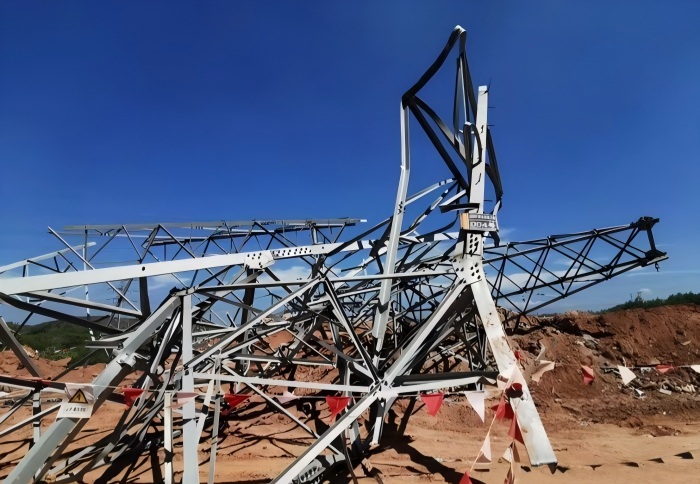
Эта характеристика «частичный отказ, общая устойчивость» превращает хрупкую конструкцию в конструкцию, устойчивую к повреждениям. Хотя опоры линий электропередачи часто описываются как конструкции, «где избыточность минимальна: потеря одного диагонального элемента часто запускает прогрессирующее обрушение», продуманное избыточное проектирование — посредством вторичных связей, нескольких болтовых соединений и надёжной проработки узлов — может создать альтернативные пути передачи нагрузки, необходимые для предотвращения непропорционального разрушения. Эта философия заключается не в добавлении лишней стали; она заключается в инженерной рациональности — обеспечении того, чтобы при возникновении непредвиденной ситуации башня деформировалась, но не разрушалась.
Избыточность обеспечивает выживаемость: Башня с несколькими путями передачи нагрузки может выдержать потерю отдельных элементов благодаря перераспределению усилий
Вторичные элементы не являются необязательными: Избыточные связи обеспечивают промежуточные точки опоры, которые предотвращают потерю устойчивости основных элементов и продлевают срок службы конструкции
Проработка узлов имеет решающее значение:Отказ одного соединения может нарушить эффективность всей избыточной системы — что было продемонстрировано обрушением башни KOZK в 2018 году
4-стоечные башни обеспечивают превосходную избыточность:По сравнению с 3-стоечными конструкциями 4-стоечные решётчатые башни обеспечивают многоканальное распределение нагрузки и значительно более высокую избыточность при отказах
Избыточность необходимо проектировать, а не предполагать:Простое добавление элементов без надлежащего анализа путей передачи нагрузки может создать «отказы, вызванные избыточностью»
Пробная сборка подтверждает избыточность:Предварительная сборка на заводе проверяет, что избыточные системы функционируют должным образом до монтажа на месте установки
Решётчатая башня представляет собой высоко статически неопределимую пространственную ферменную конструкцию— то есть она имеет больше элементов и соединений, чем минимально необходимо для статической устойчивости. Эта встроенная избыточность является одновременно преимуществом и недостатком. При правильном проектировании она обеспечивает альтернативные пути передачи нагрузки, предотвращающие обрушение. При плохо выполненной деталировке она может создавать ложные предположения о несущей способности конструкции.
Пространственная ферменная конструкция наделяет башни «исключительной адаптивностью и избыточностью. Даже если элемент повреждён в экстремальных обстоятельствах, вся конструкция может сохранять общую устойчивость благодаря перераспределению усилий, предотвращая катастрофическое обрушение». Эта характеристика «частичный отказ, общая устойчивость» является главным преимуществом избыточного проектирования.
Однако опоры линий электропередачи часто описываются как «редкая конструкция, где избыточность минимальна: потеря одного диагонального элемента часто запускает прогрессирующее обрушение». Это кажущееся противоречие разрешается, когда мы понимаем, что избыточность должна быть специально спроектирована— это не является автоматическим свойством решётчатой конструкции.
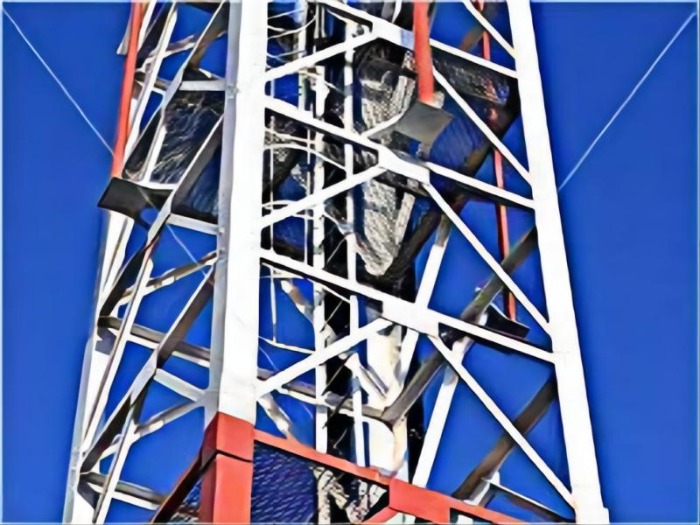
В проектировании решётчатых башен элементы классифицируются по их конструктивной роли:
| Тип элемента | Функция | Пример |
|---|---|---|
| Основные элементы | Воспринимают основные конструктивные нагрузки | Главные стойки, основные диагональные элементы |
| Вторичные элементы (избыточные) | Обеспечивать промежуточное раскрепление, предотвращать потерю устойчивости, распределять нагрузки | Горизонтальные избыточные элементы, вторичные раскрепления |
Вторичные элементы «обеспечивают промежуточные точки раскрепления для основных элементов». Их функция заключается не в восприятии основных нагрузок, а в том, чтобы уменьшать эффективную длину сжатых элементов без раскреплениячто значительно увеличивает их несущую способность.
Когда избыточный элемент удаляется или повреждается, длина без раскрепления прилегающего основного элемента фактически удваивается. Это снижение несущей способности при сжатии может быть катастрофическим. Обрушение телевизионной башни KOZK в 2018 году является трагической иллюстрацией: «Повреждённый избыточный элемент фактически удвоил длину без раскрепления стойки башни, что снизило её несущую способность при сжатии».
При разрушении основного элемента конструкция должна иметь альтернативные путидля передачи нагрузки. «Существование альтернативных путей передачи нагрузки для перераспределения избыточной нагрузки, вызванной удалением элемента, имеет особое значение». Метод альтернативных путей передачи нагрузки является одним из распространённых нормативных подходов при анализе прогрессирующего обрушения.
В хорошо спроектированной избыточной башне, если диагональная раскосная связь повреждена:
1. Нагрузка, которую она воспринимала, перераспределяется на соседние элементы
2. Эти элементы, спроектированные с запасом несущей способности, воспринимают дополнительную нагрузку
3. Конструкция остаётся устойчивой, хотя с уменьшенным запасом безопасности
4. Повреждение может быть обнаружено и устранено во время планового осмотра
Выбор между 3-стоечными и 4-стоечными решётчатыми башнями имеет значительные последствия для конструктивной избыточности:
| Параметр | 3-стоечная башня | 4-стоечная башня |
|---|---|---|
| Конструктивная избыточность | Ниже — отказ одной точки имеет более критические последствия | Выше — многопутевое распределение нагрузки |
| Жёсткость при кручении | Средняя | Сопротивление на 40% выше |
| Альтернативы путей передачи нагрузки | Ограниченные | Многочисленные — доступны избыточные пути |
| Допустимость отказов | Критическая — потеря одной стойки может быть катастрофической | Надёжная — нагрузка перераспределяется между оставшимися стойками |
| Эффективность использования материала | На 15–30% меньше стали | Больше стали, более высокая избыточность |
| Лучше всего подходит для | Чувствительных к стоимости применений с меньшей высотой | Критически важной инфраструктуры, зон с сильными ветрами, объектов с несколькими операторами |
Преимущество 4-опорной конструкции:Прямоугольное или квадратное основание 4-опорной башни создает несколько путей передачи нагрузки, которые не может обеспечить треугольное основание. Если одна опора повреждена, оставшиеся три опоры могут перераспределить нагрузку через систему раскосов — способность, которая конструктивно невозможна в 3-опорной конструкции, где потеря одной опоры приводит к фундаментальной нестабильности треугольной геометрии.
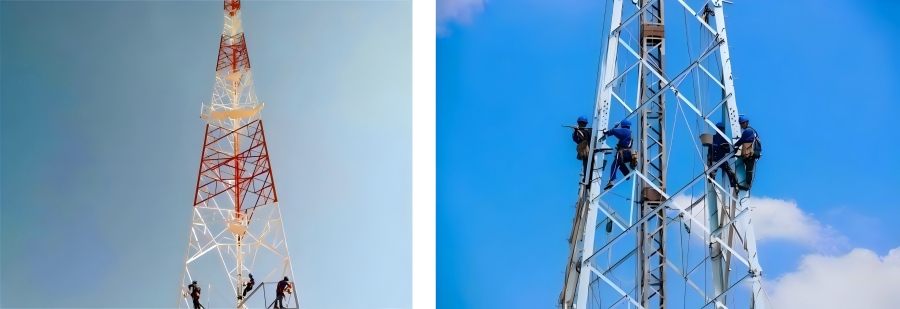
Эффективность избыточной системы критически зависит отдеталировки узлов. Плохо спроектированные соединения могут свести на нет преимущества избыточных элементов — или, что еще хуже, создать механизмы разрушения, которые отсутствовали бы в более простых конструкциях.
Обрушение в 2018 году телевизионной башни KOZK высотой 2000 футов в Спрингфилде, штат Миссури, приведшее к гибели человека и выплате компенсации в размере 3,2 миллиона долларов, демонстрирует катастрофические последствия неправильной деталировки избыточных элементов:
"Предложенная TCI процедура замены диагональных элементов была ошибочной, поскольку она снизила эффективность интегрированных окружающих раскосов и несущую способность опор башни. Один диагональный раскос нельзя было удалить без влияния на целостность избыточного раскоса, поскольку раскосы используют два общих болта в соединении диагонального и избыточного элементов."
Первопричина была конкретной и технической: "Причиной обрушения коммуникационной башни стало ослабление прочности на сжатие опор башни из-за удаления болтов в месте соединения диагональных элементов с горизонтальным избыточным элементом". Нарушенный избыточный элемент "фактически удвоил длину свободного изгиба опоры башни, что снизило ее несущую способность при сжатии".
Исследования отказов, вызванных избыточными элементами, привели к следующим конкретным рекомендациям по проектированию:
· Двойные болтовые соединениядля избыточных элементов
· Правильная деталировка узловдля учета эксцентриситетов рамы и распределения усилий
· Проверка усилий в избыточных элементах:Усилия в избыточных элементах должны проверяться, чтобы убедиться, что они находятся в допустимых пределах относительно усилий в основных элементах
· Временное раскрепление во время технического обслуживания:Любая процедура, предусматривающая удаление избыточного элемента, должна включать обеспечение временного раскрепления
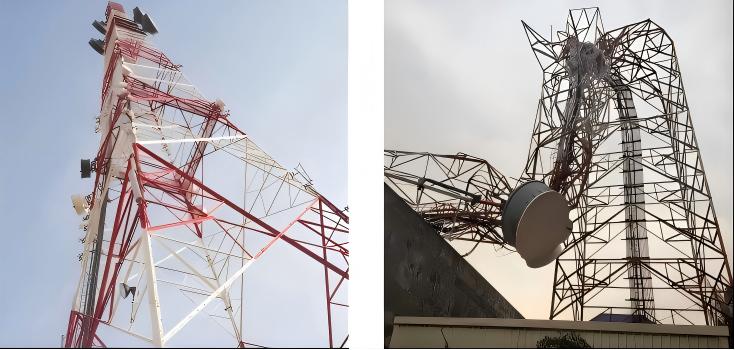
Несколько стандартов регулируют проектирование избыточных элементов в решетчатых башнях:
ASCE/SEI 10-15(Проектирование решетчатых стальных опор линий электропередачи) устанавливает критерии проектирования элементов, соединений и оттяжек для восприятия расчетных нагрузок. Он включает специальные разделы по избыточным элементам.
GB/T 2694(Китайский стандарт производства опор линий электропередачи) устанавливает требования к качеству, которые косвенно поддерживают избыточность благодаря строгим допускам изготовления.
Проектирование на основе надежности (RBD)подходы все чаще используются для достижения баланса между безопасностью, избыточностью и экономической эффективностью. RBD учитывает вероятность отказа и индекс надежности (β) для установления целевых показателей на основе эксплуатационных характеристик.
При наличии избыточности у башеннеобходимо определить доминирующие режимы отказа с использованием метода коэффициентов нагрузки, а надежность системы должна оцениваться в предельном состоянии прочности.
| Проектное решение | Влияние на избыточность |
|---|---|
| 4-опорная и 3-опорная конструкции | 4-опорная конструкция обеспечивает превосходящую избыточность и жесткость на кручение |
| K-образные раскосы и X-образные раскосы | X-образные связи обеспечивают больше альтернативных путей передачи нагрузки |
| Соединения с двумя болтами | Предотвращает нарушение избыточности из-за отказа одного болта |
| Непрерывные избыточные элементы | Обеспечивает непрерывные пути передачи нагрузки по сравнению с сегментированными элементами |
| Горячее цинкование | Сохраняет несущую способность элементов на протяжении десятилетий, поддерживая избыточность |
Основано на анализе отказов и отраслевых стандартах:
· Не используйте общие одиночные болтымежду основными и избыточными элементами: Отказ KOZK произошел потому, что диагональные и избыточные раскосы «использовали два общих болта». Избыточные элементы должны иметь независимые точки соединения.
· Обеспечьте временное раскреплениепри техническом обслуживании: Любая процедура, при которой удаляется избыточный элемент, должна включать разработанное временное раскрепление для сохранения незакрепленной длины основных элементов.
· Проверяйте усилия в избыточных элементах: Усилия в избыточных элементах следует проверять, чтобы убедиться, что они не превышают 2,5% осевой силы в основном элементе.
· Учитывайте эксцентриситеты: Эксцентриситеты каркаса в болтовых соединениях влияют на распределение усилий и должны учитываться при проектировании.
Qingdao Altai Tower Co., Ltd. является профессиональным производителем телекоммуникационных башен, опор линий электропередачи и аксессуаров для башен, основанным в 2003 году. Компания специализируется на проектировании, производстве и монтаже стальных башен, а ее продукция экспортируется более чем в 100 стран и регионов.
| Возможность | Как это поддерживает избыточность |
|---|---|
| Полнофункциональная производственная линия с управлением PLC | Обеспечивает стабильное качество элементов — критически важное для предсказуемого поведения избыточной системы |
| ЧПУ-пробивка и сверление | Точность положения отверстий ±0,5 мм обеспечивает правильную посадку избыточных соединений |
| Горячее цинкование в соответствии с ASTM A123 | Защищает избыточные элементы от коррозии, сохраняя их несущую способность на протяжении десятилетий |
| Пробная сборка | Проверяет, что избыточные системы работают предусмотренным образом до монтажа на объекте |
| Высокопрочная сталь (Q345B/A572 Gr50) | Обеспечивает резерв несущей способности для перераспределения нагрузки |

Подход Qingdao Altai Tower к проектированию с избыточностью основан на следующих принципах:
Многопутевое распределение нагрузки:Конфигурации с 4 опорами обеспечивают встроенную избыточность
Точные соединения:Точное расположение отверстий гарантирует, что избыточные элементы работают согласно проекту
Полная защита от коррозии:Оцинкование сохраняет избыточную несущую способность элементов на протяжении всего срока службы башни
Модульная конструкция:Обеспечивает эффективную упаковку и быстрое развертывание при сохранении целостности конструкции
| Подход к проектированию | Уровень избыточности | Ключевые характеристики | Лучше всего подходит для |
|---|---|---|---|
| Минимальная избыточность (базовая конструкция) | Низкий | Меньше элементов, более простые соединения, меньшая стоимость | Конструкции небольшой высоты, некритичные применения |
| Стандартная избыточность | Средний | Вторичные раскосы, базовые избыточные элементы | Типичные телекоммуникационные и передающие башни |
| Высокая избыточность | Высокий | Несколько избыточных систем, соединения с двойным болтовым креплением, 4-опорная конфигурация | Критически важная инфраструктура, зоны с сильным ветром, военные применения |
| Конструкция, устойчивая к повреждениям | Очень высокий | Специально разработана для сохранения работоспособности при потере элемента с подтвержденными альтернативными путями передачи нагрузки | Объекты критически важного назначения, сейсмические зоны |
Избыточное проектирование — это не добавление лишней стали, а инженерный интеллект. Правильно спроектированная избыточная башня может выдержать потерю отдельных элементов за счет перераспределения усилий, сохраняя принцип «частичное разрушение, общая устойчивость». Метод альтернативного пути передачи нагрузки гарантирует, что при возникновении непредвиденной ситуации конструкция деформируется, но не разрушится.
Уроки таких аварий, как обрушение башни KOZK, очевидны: избыточность должна быть спроектирована, а не предполагаться. Правильная деталировка соединений, независимые точки крепления и соединения с двойным болтовым креплением — это не дополнительные детали, а разница между башней, которая выдерживает повреждение, и башней, которая разрушается.
Для владельцев проектов и инженеров выбор очевиден: инвестировать в избыточное проектирование на этапе планирования или оплачивать последствия катастрофического отказа на этапе эксплуатации. В мире критически важной инфраструктуры избыточность — это не расход, а страховка от непредвиденных обстоятельств.
Готовы строить башни, устойчивые к повреждениям, с инженерно рассчитанной избыточностью? Свяжитесь с инженерной командой Qingdao Altai Tower сегодня для разработки индивидуальной конструкции, анализа избыточности и получения подробного предложения.



 Поддерживается сеть IPv6