

 English
 français
 español
 العربية
Поиск
Что Вы ищете?
Поиск

Physical security for unattended radar tower sites requires a layered, integrated approach that combines three defensive systems: anti-climb measures (ladder removal, anti-climb guards, perimeter fencing), anti-tamper hardware (coded locking systems, passive electronic locks, tamper-detection sensors), and remote surveillance integration (radar perimeter detection, PTZ cameras, and centralized monitoring). Because radar sites are often located in remote, sparsely populated areas—where physical guarding is impractical—the security strategy must be self-monitoring and self-reporting, capable of detecting, verifying, and alerting on intrusion attempts without on-site personnel. This guide outlines the engineering and design principles for each layer, with practical specifications drawn from international standards and real-world deployments.
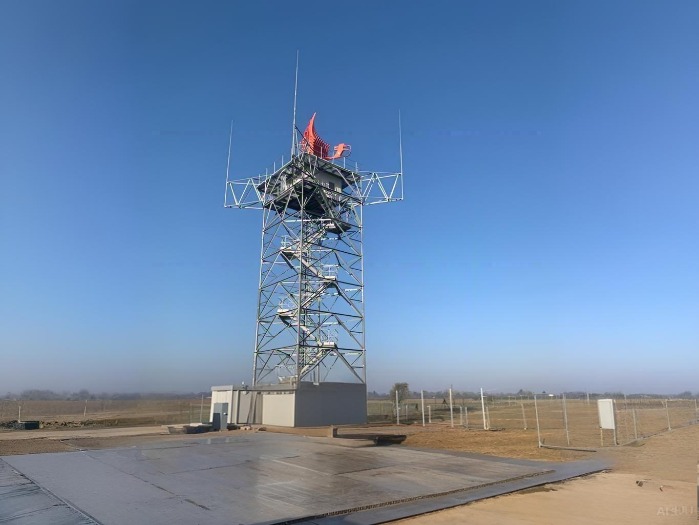
· Anti-climb begins with access denial: Regulations explicitly require that towers be “constructed or shielded in such a manner that they cannot be climbed,” including removal of climbing steps for the first 10 feet (3 meters) of a monopole.
· Perimeter fencing is the outermost barrier: Standards require minimum 8-foot (2.4m) fencing for tower sites, with gates secured by high-security locks and, for remote sites, electronic fencing systems with a minimum height of 300mm above the wall.
· Anti-tamper hardware prevents component theft and manipulation: Patented coded locking inserts convert standard hex bolts into security fasteners, while passive electronic locks provide keyless access control with tamper detection—critical for equipment cabinets and access panels.
· Radar-based perimeter detection is ideal for remote sites: Modern ground surveillance radar can detect movement up to 5 km radius, integrate seamlessly with video management systems (VMS), and operate in all weather conditions.
· Centralized monitoring enables unattended operation: Remote status monitoring, alarm verification, and access logging allow a single operations center to oversee multiple radar sites simultaneously, as demonstrated by China Tower's “digital tower” transformation and by manufacturers like Qingdao Altai Tower that integrate security provisions into tower design from the outset.
Who is searching for this information?
| User Type | Primary Intent | Key Concerns |
|---|---|---|
| Radar system engineers / project managers | Specify physical security for new unattended radar installations | Compliance with standards, integration with existing surveillance systems |
| Security consultants / integrators | Design layered security for remote critical infrastructure | Anti-climb specifications, tamper-detection technologies, remote monitoring architecture |
| Government / defense procurement | Source compliant security solutions for radar sites | Regulatory requirements, proven deployments, lifecycle cost |
| Tower manufacturers / fabricators | Understand design requirements for security-ready radar towers | Anti-climb device integration, locking system compatibility, structural provisions |
Search intent summary: Users need actionable technical specifications for securing unattended radar sites—not general security principles. They want to know what anti-climb devices are required by standard, what locking systems are appropriate for remote sites, and how to integrate surveillance sensors into a coherent, remotely monitored security architecture.
1. What are the mandatory anti-climb requirements for radar towers? What height must anti-climb guards be installed at?
2. How do I prevent unauthorized access to tower-mounted equipment? What locking systems work for remote, unattended sites?
3. What is the best perimeter detection technology for remote radar sites? Radar, electronic fencing, or laser?
4. How can I monitor multiple unattended sites from a single location? What are the data transmission and integration requirements?
5. What standards and regulations apply? TIA-222, GB 51418, CNI fencing standards?
6. How do I balance security with maintenance access? What access control systems allow authorized personnel but deter intruders?
7. What are the power requirements for remote security systems? Solar, battery, or grid—what works best?
8. How do I verify an alarm is a real threat and not a false positive? What sensor fusion strategies are available?
9. What is the typical cost of a complete physical security system for an unattended radar tower?
10. Can security systems be integrated with the radar tower manufacturer's structural design?
Why radar sites are uniquely vulnerable and why physical security must be designed into the structure itself.
Ladder removal, anti-climb guards, perimeter fencing, and regulatory requirements.
Coded locking systems, passive electronic locks, equipment cabinet security, and tamper detection.
Radar perimeter detection, PTZ cameras, sensor fusion, and centralized monitoring architecture.
How security provisions are incorporated into radar tower design—structural mounting points, cable routing, power provisioning.
Real-world deployments: China Tower’s “Digital Tower” transformation and Qingdao Altai Tower’s security-integrated radar tower design.
Answers to the most common questions about unattended radar site security.
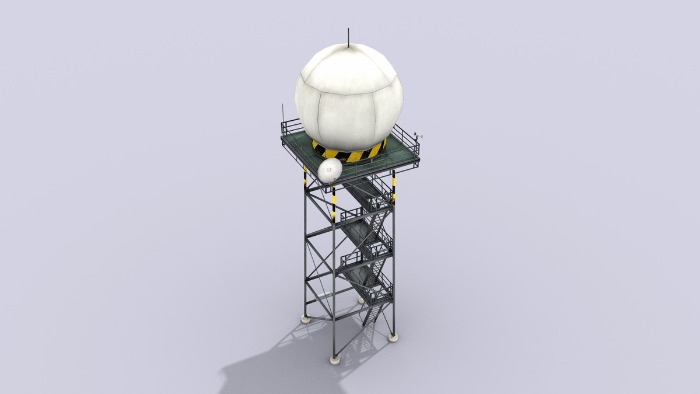
Radar towers present a distinctive security problem. They are critical infrastructure—essential for air traffic control, weather monitoring, border surveillance, and defense—yet they are often located in remote, sparsely populated areas where physical guarding is neither practical nor cost-effective. A radar site may be unattended for weeks or months, visited only for scheduled maintenance.
This creates a security gap: the asset is highly valuable, the location is isolated, and the response time to an intrusion attempt is measured in hours, not minutes. The physical security design must therefore be self-sufficient, capable of deterring opportunistic intruders, detecting determined adversaries, and alerting remote operators without relying on on-site personnel.
The design philosophy is defense in depth, with three distinct layers:
Anti-climb: Preventing access to the tower structure itself
Anti-tamper: Protecting equipment cabinets, access panels, and critical components
Remote surveillance: Detecting and verifying intrusion attempts, and integrating with central monitoring
The first layer of defense is preventing unauthorized personnel from reaching the tower structure or gaining access to elevated equipment.
Multiple standards and regulations explicitly address anti-climb requirements for telecommunications and radar tower sites:
| Device Type | Description | Application |
|---|---|---|
| Ladder removal / standoff | Climbing steps removed for first 10 feet; access ladder detached from tower and stored | Monopoles, any tower with base-mounted ladder |
| Anti-climb guard (pipe guard) | Outrigger bracket supporting barbed wire or spiked collar, positioned 2.8–3.5m above ground | Lattice tower legs |
| Anti-climb panel | Galvanized steel or stainless steel panels bolted to tower legs, fully enclosing the climbing face | Lattice towers, hinged for authorized access |
| Fence skirt | Angled mesh extension at top of perimeter fence to prevent climbing | Perimeter fencing |
| Ladder lock | Locking mechanism securing ladder access hatch | Any tower with enclosed ladder system |
For remote radar sites, the perimeter fence is the primary physical barrier. Key design considerations:
· Height: Minimum 8 feet for tower sites; for electronic fencing over walls, additional 300mm minimum
· Material: Galvanized steel chain-link, woven mesh, or palisade fencing; for critical national infrastructure, security-rated fencing certified to LPS 1175 is recommended
· Gates: Self-latching, lockable gates at all access points; separate locks for general site access and contractor access
· Clear zone: Maintain a radial distance of at least 6 feet between the fence and any tower structure
· Vegetation control: Tower base and foundation area must be clear of debris and vegetation overgrowth that could facilitate climbing or concealment
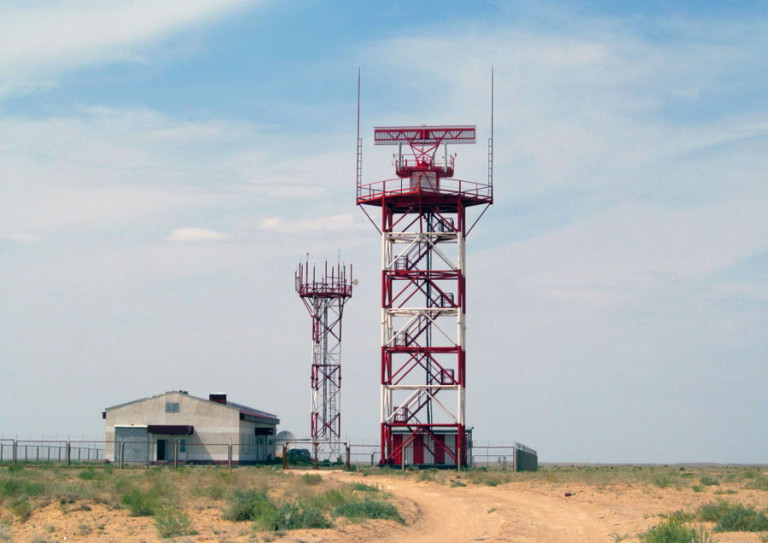
The second layer protects the equipment and access points that an intruder would target after breaching the perimeter.
Traditional mechanical locks are insufficient for unattended sites. The industry is moving toward intelligent, battery-free electronic locks and coded locking inserts that provide both physical security and audit trails.
The equipment shelter or cabinet houses the radar electronics, power systems, and communications equipment—the highest-value targets for theft or sabotage.
Design requirements:
· Door security: Equipment shelter doors secured with functioning deadbolt or high-security locks; no signs of forced entry attempts
· Window protection: Iron bars over windows, HVAC vents, and louvers—while ensuring compliance with fire codes for emergency exits
· Cabinet locking: All outdoor equipment cabinets locked and showing no signs of tampering or unauthorized access
· Tamper detection: Sensors that “sound alarms and call/text/email in the event of tampering, break-in or a door left ajar”
Equipment mounted high on the tower—radar antennas, RRUs, networking devices—is inherently more secure simply by virtue of altitude. As one patent notes: “The radio tower itself can be a security barrier that discourages malicious entities from tampering with networking device... If one were to want to steal or tamper with tower-mounted equipment, that person would need to climb up the radio tower”.
However, determined intruders with climbing equipment can still access tower-mounted assets. Supplemental measures include:
· Coded bolt inserts on all equipment mounting hardware
· Security cables through equipment handles, anchored to structural members
· Alarm-triggered cameras focused on equipment mounting areas
· Tamper-evident seals on enclosures to indicate attempted access
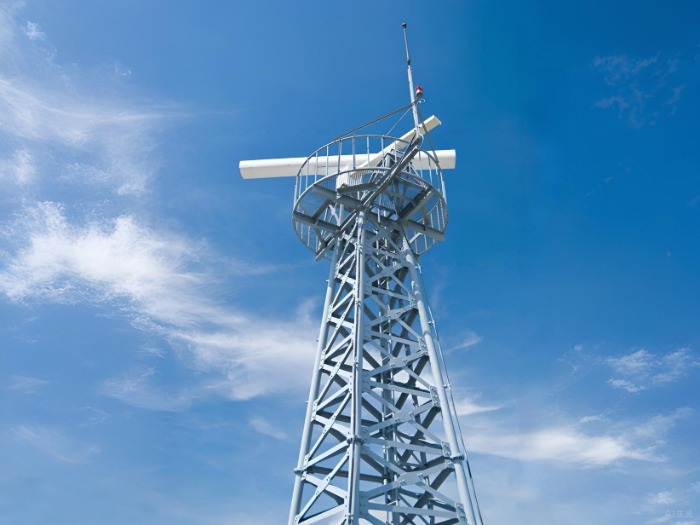
The third layer provides detection, verification, and alerting—the “eyes and ears” of the security system.
Ground surveillance radar has emerged as the optimal detection technology for remote, unattended sites because it operates effectively in all weather conditions, requires no lighting, and provides continuous, wide-area coverage.
For radar tower sites, camera placement should serve dual purposes: site security and equipment monitoring.
Camera types and placement:
| Camera Type | Location | Purpose |
|---|---|---|
| PTZ (pan-tilt-zoom) | Tower-mounted, 15–30m height | Perimeter surveillance, radar cueing, alarm verification |
| Fixed dome | Equipment shelter exterior, tower base | Shelter access monitoring, anti-climb guard surveillance |
| Bullet camera | Perimeter fence line | Gate monitoring, fence-line intrusion detection |
| Thermal / IR | Tower-mounted | Night surveillance, human/vehicle detection in darkness |
On-tower equipment monitoring: “For safety reasons, a spherical camera is installed on the tower for the tower itself and the self-security monitoring of tower-mounted equipment”.
The defining characteristic of an unattended site is that monitoring happens somewhere else. The security system must transmit detection data, video, and alarms to a remote operations center.
System architecture components:
· Sensors: Radar, cameras, door contacts, tamper switches, motion detectors
· Local processing: Edge-based analytics to filter false alarms and verify threats before transmission
· Communications: 4G/5G, satellite, or fiber backhaul; for remote sites, satellite is often the only option
· Power: Solar with battery backup, or grid connection where available
· Central management platform: Unified interface for alarm monitoring, video review, access control, and system health status
Remote status monitoring: “Remote status monitoring of all tower equipment and applications” is a standard feature of integrated surveillance tower platforms.
Access logging and audit: “Real-time logging and reporting can help manage sites and verify access events”. For unattended sites, all access events (authorized and attempted unauthorized) should be logged with time, date, and identity where possible.
Security is most effective—and most economical—when designed into the radar tower from the outset rather than retrofitted.
Structural provisions for security:
· Anti-climb guard mounting points: Welded brackets or bolt patterns on tower legs at specified heights (2.8–3.5m)
· Camera and radar mounting platforms: Dedicated brackets on the tower at appropriate heights for surveillance equipment
· Cable routing: Dedicated conduits or trays for security system power and data cables, separate from RF and power cables
· Power provisioning: Pre-wired 48V DC or PoE circuits for security devices, with solar and battery capacity sized for security load
· Equipment cabinet space: Additional rack space for security system controllers, NVRs, and communications equipment
Coordination with tower manufacturer: When specifying a radar tower, the security requirements should be included in the design brief. Manufacturers that offer integrated guard towers—such as Qingdao Altai Tower—can incorporate anti-climb provisions, locking systems, and surveillance mounting points into the structural design.
China Tower’s nationwide “digital tower” initiative demonstrates the scale and effectiveness of integrated security and surveillance at unattended sites.
Scope: Over 1,000 communication towers in Huanggang alone have been digitally transformed, deploying 1,200+ mid-high point cameras, 800+ intelligent cloud broadcast systems, and 12 radar and AIS base stations.
Architecture: The system uses the tower’s existing “tower-room-power-maintenance-network” resources as the foundation, integrating high-point surveillance, drone flight, AI algorithms, and edge computing into an “air-space-ground” integrated perception network.
Operational model: “High-point video sees the whole picture, low-altitude flight inspects details, ground disposal closes the loop” —a layered approach that combines persistent elevated surveillance with targeted drone inspection and ground response.
Relevance to radar sites: This model is directly applicable to unattended radar tower sites. The tower provides the elevated vantage point; the cameras and radar provide detection; AI provides verification; and the communications network enables remote monitoring from a central operations center.
Qingdao Altai Tower Co., Ltd. is a professional manufacturer of telecommunication towers, power towers, and tower accessories, established in 2003. The company specializes in the design, manufacturing, and installation of steel towers, with products exported to more than 100 countries and regions. Its multi-function guard towers and radar support structures are engineered to accommodate integrated physical security provisions from the outset—an approach that reduces retrofit costs and ensures that all security layers function as a unified system.
Security integration capabilities:
Anti-climb provisions: Tower legs are pre-fitted with mounting points for anti-climb guards at regulatory heights (2.8–3.5m). Ladder systems can be specified with lockable access hatches or designed for complete ladder removal when not in use.
Equipment mounting and locking: Equipment platforms and brackets are designed to accept coded locking inserts and passive electronic locks, securing tower-mounted radar and communications equipment against tampering.
Surveillance infrastructure: Radar towers are fabricated with dedicated camera and radar mounting brackets at multiple elevations, pre-routed cable conduits for power and data, and provisions for 48V DC or PoE power circuits.
Perimeter and site security: Altai’s guard tower platforms can be configured with access control systems, door contacts, and tamper sensors, allowing remote monitoring from a central station.
Remote monitoring compatibility: The towers are designed for seamless integration with third-party radar perimeter detection, PTZ camera systems, and VMS platforms.
Quality and compliance:
| Capability | Specification |
|---|---|
| Production capacity | 3,000 metric tons per month |
| Galvanizing | In-house workshop with Italian equipment, strictly following ASTM A123 |
| Design standards | ANSI/TIA-222-H, GB/T 2694, AWS D1.1 |
| Certifications | ISO 9001, ISO 14001, ISO 45001, CE |
| Lead time | 30 days after payment |
Application example: For a remote radar site in a mountainous region, Altai Tower supplied a 30-meter lattice radar tower with integrated anti-climb guards at the base, coded locking bolts on all equipment mounts, and pre-installed camera brackets at 15m and 25m elevations. The tower was galvanized to ASTM A123 and delivered with a documentation package including material certificates, welding inspection reports, and galvanizing thickness measurements. The customer integrated the tower with a radar perimeter detection system and PTZ cameras, enabling full remote monitoring from a central operations center 200 km away.



 Поддерживается сеть IPv6