

 English
 français
 español
 العربية
Поиск
Что Вы ищете?
Поиск

На протяжении десятилетий изготовление Деревянно-угольные решетчатые башни является краеугольным камнем глобальной инфраструктуры. Однако внутри завода тихо разворачивается революция, движимая цифровой точностью. Переход от ручной, шаблонной резки к Система числового программного управления (ЧПУ) Плазменная и кислородно-топливная резка коренным образом меняют экономику производства этих критически важных конструкций. Этот сдвиг — не просто автоматизация; это стратегическая перестройка, которая напрямую затрагивает два основных фактора, влияющих на стоимость изготовления: отходы материалов и трудоемкую переделку. В этом блоге подробно рассматривается, как технология ЧПУ обеспечивает существенную экономию за счет повышения точности и оптимизации использования материалов.
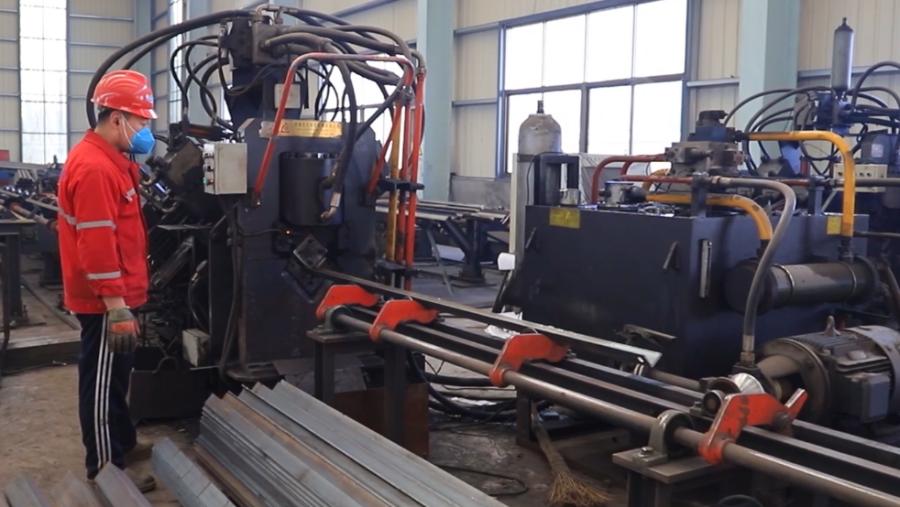
Чтобы оценить масштабы трансформации, необходимо понимать ограничения традиционных методов. Традиционное изготовление основывалось на ручной разметке, ручных горелках и физических шаблонах. Этот процесс вносил множество недостатков:
• Материальные отходы: Ручная раскройка — размещение деталей на стальной пластине — была неоптимальной. Операторы часто оставляли широкие, неиспользуемые промежутки между деталями, чтобы учесть допуски при ручной резке и облегчить обращение с ними.
· Накопление неточностей и допусков: Ручная резка приводила к непостоянному качеству кромок, чрезмерным колебаниям ширины пропила и неточностям в размерах. Эти «незначительные» ошибки в отдельных компонентах накапливались во время сборки, приводя к дорогостоящим проблемам с подгонкой, необходимости доработки и увеличению времени сварки.
• Высокопроизводительная вторичная обработка: Шероховатые, покрытые окалиной кромки, образовавшиеся в результате ручной обработки, требовали обширной шлифовки и механической обработки, прежде чем компоненты можно было использовать для точной сварки или болтового соединения, что увеличивало трудозатраты, не приносящие добавленной стоимости.
Станки с ЧПУ заменяют ручную работу цифровой точностью. Компьютерное управление выполняет запрограммированную траекторию резки с исключительной точностью и повторяемостью. В производстве стальных угловых башен это проявляется в трех ключевых факторах экономии затрат.
Это наиболее прямой источник экономии. Передовое программное обеспечение для расчета размеров гнезда — это «мозг» всего процесса.
• Алгоритмическая эффективность: Программное обеспечение анализирует библиотеку необходимых деталей (накладки, уголки, опорные пластины) и алгоритмически размещает их на стандартной пластине для достижения максимально возможного использования материала. Оно учитывает вращение деталей и резку по общей линии (совместное использование пути резки между двумя соседними деталями).
· Результат: Оптимизация раскроя может увеличить выход материала с типичных 75-80% при ручном методе до 85-95% при использовании станков с ЧПУ. Для крупномасштабного проекта по строительству башен, потребляющего сотни тонн листового металла, такое сокращение количества стального лома представляет собой прямое и существенное снижение затрат на закупку сырья.
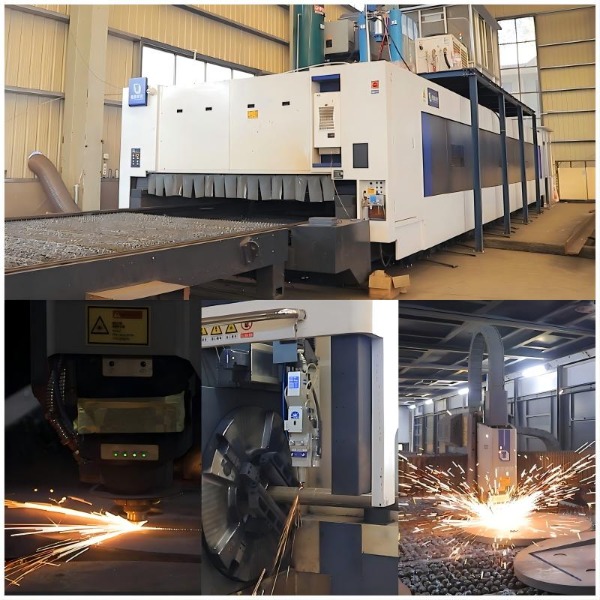
Точность станков с ЧПУ превращает качество компонентов из переменной величины в постоянную.
· Точность размеров: Системы ЧПУ обычно обеспечивают точность ±0,5 мм или лучше, по сравнению с ±2 мм или более при ручной обработке. Такая точность имеет решающее значение для сложных многоотверстных схем в соединительных пластинах башен.
• Превосходное качество кромки: Современные плазменные станки с ЧПУ, использующие технологию высокоточной плазменной резки, обеспечивают качество резки, близкое к лазерному, с минимальным образованием шлака и идеально ровной кромкой. Высокоточные плазменные и кислородно-топливные системы превосходно справляются с резкой более толстых листов, используемых в основаниях башен. Такая точность исключает или значительно снижает необходимость шлифовки кромок.
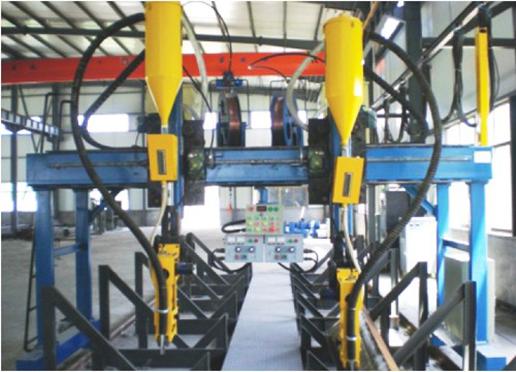
• Разработка конструкции, соответствующей требованиям производства и сборки (DFMA): Такой уровень повторяемой точности позволяет инженерам проектировать компоненты с отверстиями, готовыми к завинчиванию, и плотными соединениями. Компоненты поступают на сборочный участок готовыми к завинчиванию или сварке, что значительно сокращает время подгонки и регулировки. Это основа эффективного и высококачественного цехового производства.
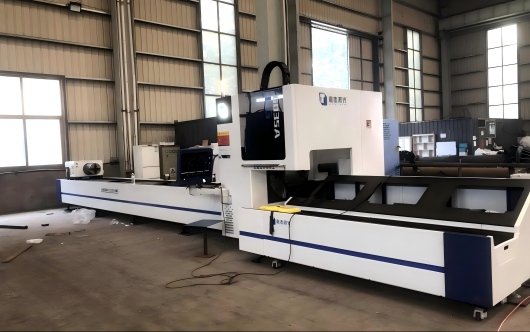
Станки с ЧПУ для резки не работают изолированно; они органично вписываются в цифровой рабочий процесс.
• Прямая передача данных от модели к станку: Траектории резки генерируются непосредственно из 3D-модели конструкции (например, Tekla, AutoCAD Advance Steel), что исключает необходимость ручного расчета чертежей и связанный с этим риск ошибок при переносе.
• Автоматическая маркировка: Многие станки с ЧПУ оснащены пуансонами или разметочными инструментами. Они могут автоматически выжигать номера деталей, коды сборки и центровые линии на пластине, что упрощает идентификацию деталей и последующую логистику сборки.
• Предсказуемое планирование производства: Благодаря стабильной и известной скорости резки, руководители производства могут точно планировать рабочий процесс от режущего станка до сварки и гальванизации, что повышает общую производительность цеха.
| Фактор затрат | Традиционная ручная резка | Плазменная/кислородная резка с ЧПУ | Чистое воздействие |
|---|---|---|---|
| Использование материалов | Урожайность 75-80% | Урожайность 85-95% | Снижение стоимости закупки листовой стали примерно на 10-15%. |
| Сокращение трудовых ресурсов | Высокая квалификация (количество квалифицированных операторов на одну машину) | Низкий уровень (один оператор может контролировать несколько машин) | Сокращение трудозатрат на непосредственную раскройку примерно на 50-70%. |
| Вторичная обработка (измельчение) | Значительный, необходимый для большинства частей. | Минимальное или полное отсутствие на основных кромках | Сокращение трудозатрат на шлифовку и расходных материалов примерно на 60-80%. |
| Сборочные/монтажные работы | Высокий уровень из-за изменчивости характеристик деталей и необходимости доработки. | Низкое качество обусловлено однородностью и точностью деталей. | Сокращение времени на подгонку и регулировку примерно на 20-30%. |
| Контроль качества и доработка | Высокий риск дорогостоящих корректирующих работ. | Стабильное, предсказуемое качество; минимальное количество доработок. | Значительное снижение затрат на гарантийное обслуживание и рисков, связанных с соблюдением сроков. |
При изготовлении стальных угловых башен, где стоимость материалов может составлять 50% от общей стоимости проекта, а рабочая сила требует квалификации и больших затрат, ЧПУ-резка перестала быть роскошью — она стала фундаментальным требованием для конкурентоспособности. Овладев этой технологией, можно добиться успеха. оптимизация вложенности и точность резки Технология ЧПУ напрямую преобразует цифровые проекты в реальную экономию. Она превращает стальной лист из товара с неизбежными отходами в точно управляемый актив, а также переводит работу в цехе с роли корректировки и адаптации на роль сборки, создающей добавленную стоимость.
Для производителей инвестиции в технологии ЧПУ — это инвестиции в предсказуемую прибыль, сокращение отходов и возможность конкурентоспособно участвовать в тендерах на сложные проекты. Для всей отрасли это повышает планку качества и эффективности, гарантируя, что критически важная инфраструктура, от которой мы зависим, будет строиться умнее, быстрее и экологичнее. В стремлении к созданию более прочных сетей точность на заводе так же важна, как и прочность самой стали.
Узнайте больше на www.alttower.com



 Поддерживается сеть IPv6