

 English
 français
 español
 العربية
Поиск
Что Вы ищете?
Поиск
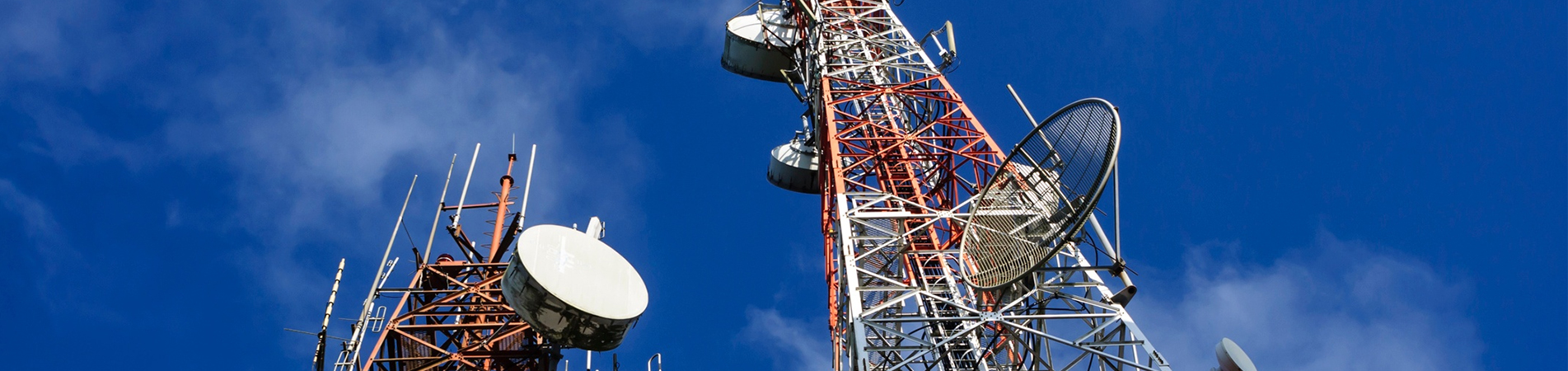
Он камуфляжная древесная башня Это представляет собой одну из самых сложных задач в телекоммуникационной инфраструктуре: создание конструкции, которая одновременно незаметна для человека и при этом полностью функциональна для передачи радиосигналов. Для этого необходимо преодолеть фундаментальное инженерное противоречие между электромагнитными характеристиками и механической прочностью.
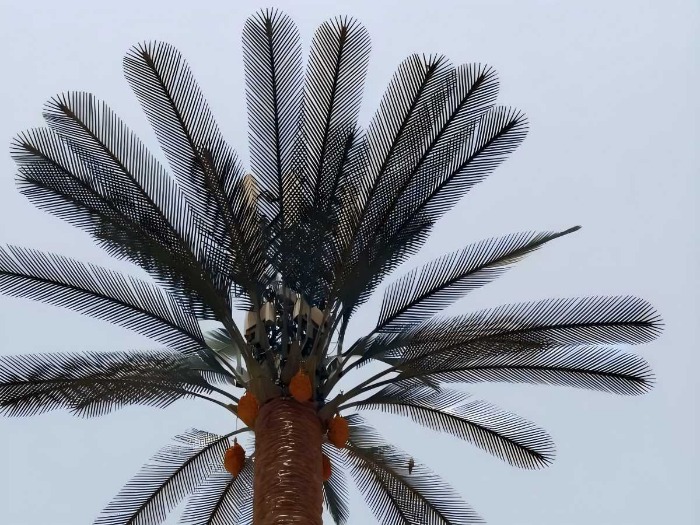
Маскирующая башня должна удовлетворять двум диаметрально противоположным требованиям:
| Требование | Импликация | Испытание |
|---|---|---|
| Прозрачность радиочастотного излучения | Материалы должны обеспечивать прохождение радиоволн без затухания или искажения. | Требует низких значений диэлектрической проницаемости, минимального количества проводящих элементов и тонкого поперечного сечения. |
| Структурная целостность | Должен выдерживать ветровые, ледовые и сейсмические нагрузки в течение десятилетий. | Требуются плотные материалы, прочные соединения и значительные поперечные сечения. |
Задача инженера — согласовать эти элементы в конструкции, которая убедительно имитирует живое дерево.
Армированный волокнами полимер (FRP) и полиэтилен высокой плотности (ПНД) стали отраслевыми стандартами для элементов камуфляжа, поскольку они уникальным образом преодолевают этот разрыв:
• Диэлектрические свойства: FRP (ε_r 3,5-4,5) и HDPE (ε_r 2,3-2,5) обеспечивают прохождение сигнала с минимальными потерями.
• Непроводящий: Отсутствие металлических примесей означает отсутствие паразитных эффектов антенны.
• Структурные возможности: Стекловолокно обеспечивает прочность, но не проводит электричество (в отличие от углеродного волокна).
• Устойчивость к УФ-излучению: Современные составы выдерживают десятилетия воздействия солнечных лучей.
Производители указывают Прозрачность радиочастотного сигнала 95-99%. Это означает, что потери сигнала через листву и кору сводятся к 1-5% от первоначальной мощности, что практически незаметно для работы сети.
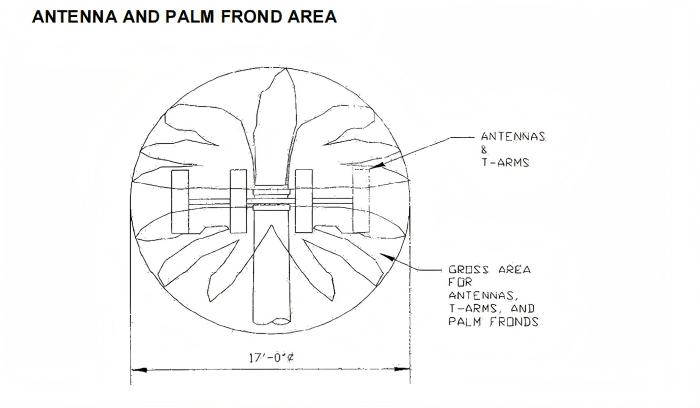
Каждая ветвь представляет собой слабое звено конструкции, которое должно передавать ветровые нагрузки на центральную башню, не разрушаясь. Инженеры решают эту задачу следующим образом:
• Усиленные механические соединения: Ветви крепятся к выступающим рецепторам на монополе как с помощью механических креплений, так и с помощью клея.
• Нагрузочное тестирование: Разработанные конструкции рассчитаны на ветер скоростью более 80 миль в час (130 км/ч), а для зон тайфунов предусмотрены премиальные показатели устойчивости к ветру до 250 км/ч.
• Размещение грузов во льдах: Ветви должны выдерживать радиальное накопление льда, не становясь хрупкими.
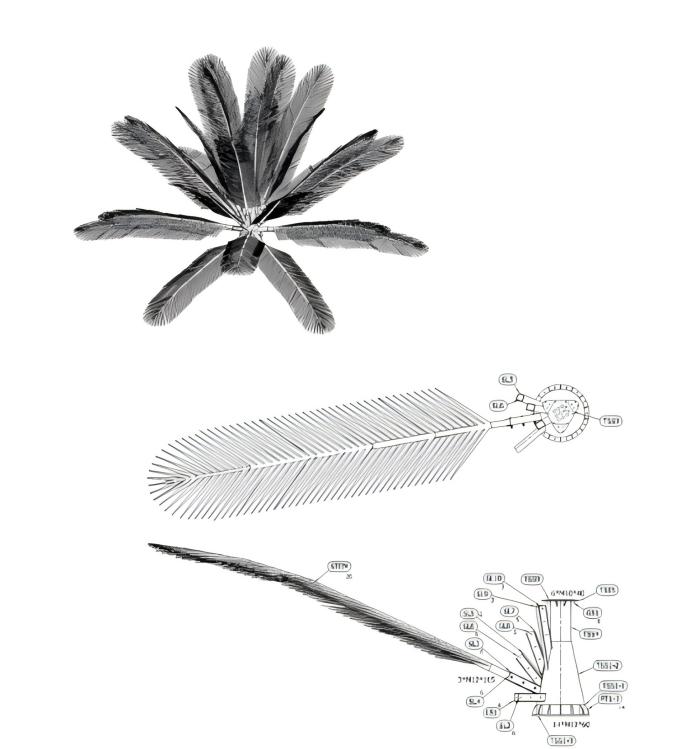
Стальной монопольный сердечник по своей природе непрозрачен для радиочастотного излучения — его невозможно сделать прозрачным. Поэтому антенны необходимо размещать вне ствола, внутри кроны ветвей:
• Стратегическая плотность: Расстояние между ветвями должно обеспечивать баланс между маскировкой (требуется плотность посадки) и ветровой нагрузкой, а также стоимостью (разреженность посадки).
• Вертикальное многоуровневое размещение: Для многоантенных решеток требуется соответствующее расположение ответвлений на каждой высоте.
Ключевая идея заключается в геометрической форме: камуфляж скрывает антенны, а не саму вышку. Непрозрачная сталь остается скрытой за визуально отвлекающими ветвями.
Система маскировки должна выдерживать те же нагрузки окружающей среды, что и скрываемая ею башня:
Ветер: Ветви, сконструированные таким образом, чтобы изгибаться, не ломаясь, отдавая энергию, а не сопротивляясь ей.
Лед: Гибкость материала (особенно полиэтилена высокой плотности) помогает отводить накопившиеся отложения до того, как возникнут критические нагрузки.
УФ-защита: Стабилизаторы и ингибиторы в полимерной матрице предотвращают охрупчивание и выцветание в течение десятилетий.
Огнестойкость: Материалы соответствуют классам А или 1, самозатухают, не способствуя распространению пламени.
Покрытие, имитирующее кору дерева и наносимое на оцинкованную сталь, представляет собой многослойную систему с текстурой, созданной на основе реальных древесных слепков, и завершается УФ-стойким верхним покрытием, рассчитанным на срок службы 20-30 лет.
| Элемент | Требования к радиочастотам | Структурное решение |
|---|---|---|
| Ветви | Непроводящий полимер | HDPE/FRP с УФ-стабилизаторами, специально разработанные крепления |
| Лаять | Не содержит проводящих пигментов. | Многослойное эпоксидно-полиуретановое покрытие на стали |
| Центральная башня | Непрозрачные — следует избегать. | Антенны расположены на уровне ветви, а не внутри ствола. |
| Вложения | По возможности непроводящие материалы | Полимерные кронштейны или экранированная сталь |
Маскированная вышка в виде дерева — это не компромисс между радиочастотной прозрачностью и структурной целостностью, а оптимизация. Выбирая подходящие материалы, разумно размещая антенны и проектируя крепления для экстремальных нагрузок, производители создают конструкции, одновременно удовлетворяющие обоим требованиям. В результате получается инфраструктура, которая действительно незаметна: невидима для наблюдателей, прозрачна для сигналов и невосприимчива к воздействию окружающей среды.
Узнайте больше на www.alttower.com



 Поддерживается сеть IPv6