

 English
 français
 español
 العربية
Поиск
Что Вы ищете?
Поиск

Радиолокационные вышки Они выполняют исключительно сложную задачу. В отличие от вышек связи, на которых просто устанавливаются пассивные антенны, радиолокационные вышки должны обеспечивать исключительно стабильную платформу для вращающегося высокоточного измерительного оборудования. Небольшое деформирование конструкции, неожиданный режим вибрации или — что не менее важно — компонент доступа, вносящий нежелательную гибкость, могут поставить под угрозу точность наведения радара и достоверность данных.
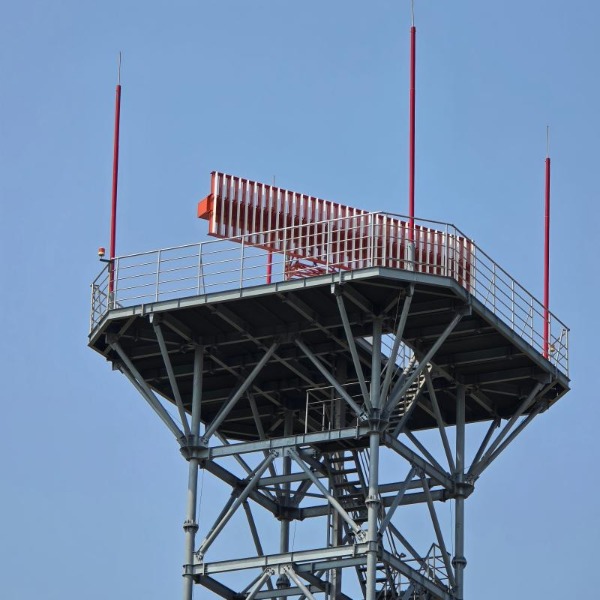
Однако эти вышки должны быть доступны. Техникам необходимо подниматься на них для плановой калибровки, обслуживания антенн и аварийного ремонта. Задача состоит в том, чтобы интегрировать... безопасные альпинистские системы и платформы для снаряжения внести вклад в несущую конструкцию башни, не жертвуя при этом жесткостью, необходимой для высокоточной работы радара.
К конструкциям опор радиолокационных станций предъявляются строгие динамические требования. Собственная частота колебаний башни должна оставаться достаточно высокой и хорошо отделяться от частот, создаваемых вращающейся антенной и ветровыми нагрузками окружающей среды, чтобы избежать резонансной связи, которая могла бы исказить радиолокационное изображение. Каждый добавленный компонент — ступенька лестницы, кронштейн опоры платформы, кабельный канал — изменяет распределение массы и жесткости конструкции. Неправильно спроектированные элементы доступа могут вызывать локальную гибкость, создавать концентрацию напряжений или добавлять массу в местах, которые снижают критические собственные частоты. Поэтому цель состоит в том, чтобы интегрировать элементы безопасности и доступа в основную конструктивную концепцию башни, а не рассматривать их как второстепенные детали.
Радиолокационные вышки, как и вышки связи, должны соответствовать постоянно меняющемуся набору стандартов безопасности. В Северной Америке это стандарт А. Стандарт НСИ/ASSE A10.48-2016 Устанавливает всеобъемлющие критерии безопасных методов работы на коммуникационных сооружениях, охватывающие все аспекты, от защиты от падения до подъемных устройств. Этот стандарт стал эталоном для отрасли. Между тем, правила OSHA Требуется 100% защита от падения для сотрудников, работающих на высоте более 6 футов (около 1,8 метра) на вышках. Для стационарных лестниц высотой более 24 футов (около 7,3 метра) OSHA исторически разрешала использование защитных ограждений, но тенденция в регулировании резко изменилась: ограждения постепенно выводятся из эксплуатации, и их замена запланирована на 2036 год. Современные системы основаны на вертикальных страховочных тросах или жестких рельсовых системах защиты от падения, которые более эффективно предотвращают падение.
На международном уровне, EN 353‑1:2014+A1:2017 управляет направляющими устройствами защиты от падения на жестких анкерных линиях, в то время как ANSI Z359.16‑2016 Включает в себя системы безопасности для подъема по стационарным лестницам. Изделия, соответствующие этим стандартам, такие как система стопорного троса, оснащены съемными фиксаторами падения со встроенными амортизаторами, которые мгновенно блокируются при падении и минимизируют расстояние свободного падения.
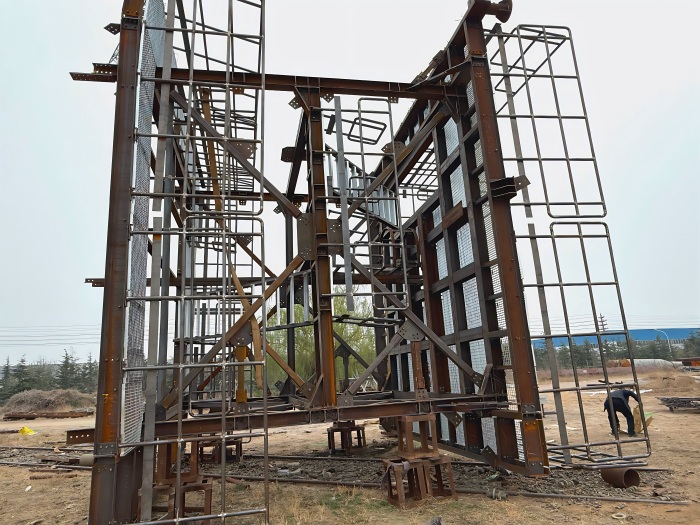
Что касается радиолокационных вышек, то не все решения по обеспечению безопасности при подъеме на них одинаково эффективны. В таблице ниже приведено сравнение основных вариантов:
| Система | Механизм защиты от падения | Основные характеристики | Пригодность для размещения радиолокационных вышек |
|---|---|---|---|
| Стационарная лестница (без страховки) | Нет — пользователь полагается на трехточечный контакт. | Самая низкая стоимость, самая простая установка | Неприемлемо — не соответствует нормативным требованиям и представляет собой крайне высокий риск. |
| Лестница с клеткой | Физический барьер предотвращает падение вбок/назад. | Для неподготовленных пользователей проще; клетки не предотвращают падение с высоты. | Выведен из эксплуатации — создает ложное чувство безопасности и усложняет спасательные работы; не рекомендуется для новостроек. |
| Вертикальная система безопасности с тросами/рельсами | Страховочное устройство, устанавливаемое на страховочный пояс, скользит вдоль стационарно проложенного троса. | Ограничители высоты составляют несколько сантиметров; позволяют свободно карабкаться обеими руками; могут быть установлены дополнительно. | Рекомендуется — соответствует требованиям ANSI/OSHA; минимальное влияние на жесткость башни; поддерживает до 4 пользователей на одной системе. |
| Персональная система защиты от падения (PFAS) | Страховочная обвязка + страховочный трос, прикрепленные к независимой точке крепления. | Очень эффективен, но зависит от правильных действий пользователя и доступности якоря. | Дополнительное оборудование — подходит для работы на платформах, но не в качестве основной системы для подъема из-за необходимости многократного соединения/отсоединения. |
Ключевые моменты, касающиеся отбора:
Вертикальные кабельные системы (например, Latchways® TowerLatch или Tractel stopcable®) все чаще становятся отраслевым стандартом, поскольку обеспечивают непрерывное крепление и не требуют отсоединения на промежуточных направляющих. Запатентованный компонент в виде звездообразного колеса обеспечивает плавное перемещение по направляющим кабеля без выдергивания кабеля из них, что является критически важной особенностью при подъеме на высоту, превышающую несколько уровней платформы.
Для радиолокационных вышек с монопольной опорой доступны специальные универсальные крепления (например, универсальные системы крепления для монопольных вышек с возможностью безопасного подъема), использующие оцинкованный стальной трос диаметром 3/8 дюйма с кабельными стойками каждые 25 футов и герметичную анкерную головку с амортизатором удара.
Лестничные клетки Следует избегать их использования на новых радиолокационных вышках: они не предотвращают вертикальные падения и могут затруднить спасательные работы.
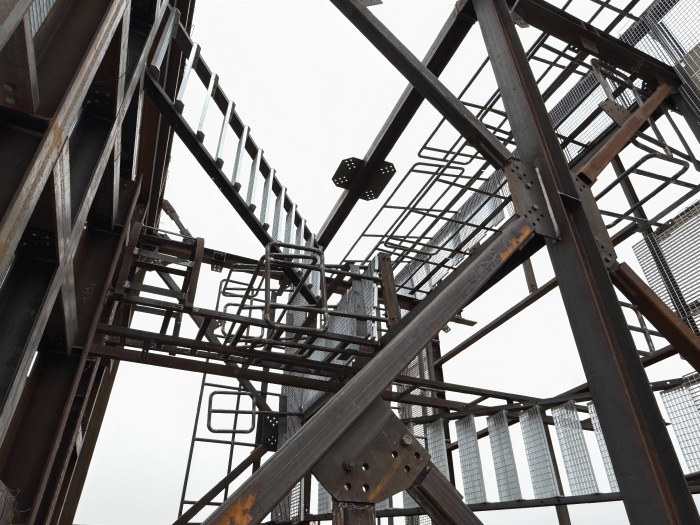
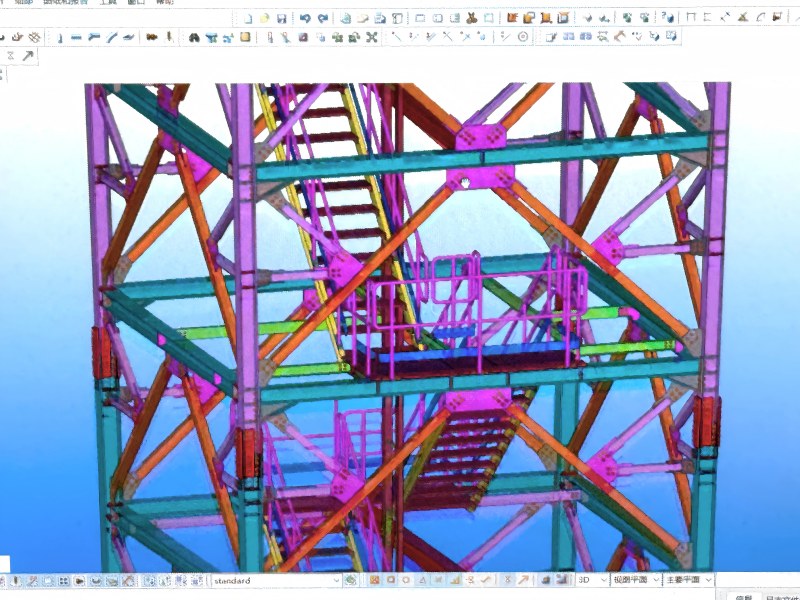
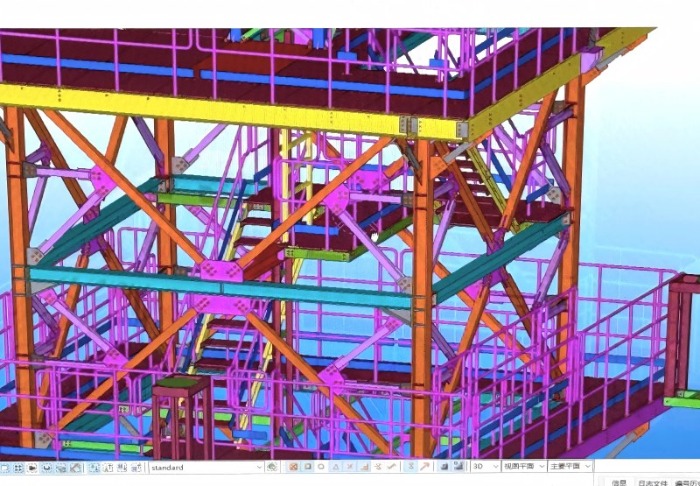
Радиолокационные вышки обычно имеют несколько площадок: нижнюю площадку для доступа к оборудованию (например, на высоте 26 м) и верхнюю площадку на уровне обтекателя (например, на высоте 30 м), где устанавливается радиолокационная антенна. Эти площадки служат местами для проведения ремонтных работ и обеспечивают точки крепления вспомогательного оборудования. С точки зрения конструкции, они должны быть интегрированы в виде усиленных диафрагм — их балки перекрытия и распорки должны вносить существенный вклад в общую жесткость вышки.
Основные принципы проектирования платформ:
• Фиксация по всему периметру: Платформы следует прикрепить ко всем сторонам башни с помощью поперечных связей или усиленного настила, которые будут действовать как горизонтальные усиливающие кольца, предотвращая локальные колебания.
• Передача нагрузки: Вертикальная нагрузка платформы (вес техника, оборудование, лед) должна передаваться на опоры башни через специальные соединительные узлы, а не только через диагональные распорки.
• Открытый или сплошной настил: Открытая стальная решетка предпочтительнее сплошной пластины, поскольку она снижает накопление ветровой нагрузки, улучшает визуальный осмотр расположенных под ней элементов и легче сбрасывает лед.
Платформы также служат местами сбора спасателей — обязательными точками отдыха на высоких лестницах, обычно через каждые 9–12 метров, — где рабочий может отдохнуть, сменить средства защиты от падения или дождаться помощи.
Радиолокационные вышки часто располагаются в открытых местах (горы, побережье), что делает их уязвимыми для ударов молнии. Системы подъема и платформы вышки должны быть интегрированы с внешней системой молниезащиты:
• Выходы из строя воздушных линий: Молниеотводы или мачты на вершине башни защищают радиолокационную антенну. Исследования показывают, что один воздушный разрядник, поднятый на высоту 38 м, может защитить всю башню и антенну. При наличии четырех разрядников на башне каждый из них обеспечивает радиус защиты 45 м.
• Понижающие проводники: Сама стальная башня служит основным токоотводом, но все металлические элементы доступа (лестницы, перила платформ, кабельные направляющие) должны быть соединены с системой заземления, чтобы предотвратить боковые вспышки.
· Заземление: Кольцевой заземляющий электрод у основания башни, соединенный со всеми опорами, обеспечивает безопасное рассеивание тока разряда без создания опасности для персонала, поднимающегося на конструкцию.
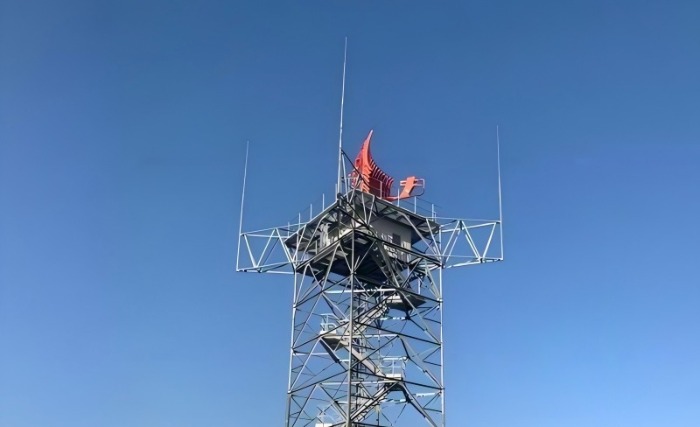
Конечная цель внедрения безопасных систем подъема — обеспечить возможность обслуживания и ремонта вышки на протяжении всего срока ее эксплуатации без ущерба для характеристик радара. Это означает проектирование с учетом следующих факторов:
• Устойчивость к усталости: Добавление платформ и лестниц создает локальные концентраторы напряжений. В местах с критическими динамическими нагрузками предпочтительнее использовать болтовые соединения, а не сварные, чтобы избежать образования склонных к усталости надрезов.
• Динамическая совместимость: При модальном анализе необходимо учитывать массу систем доступа. Распределенная масса (лестницы, кабельные направляющие) оказывает иное влияние на собственные частоты, чем сосредоточенная масса (платформенное оборудование).
• Возможность осмотра: Платформы следует располагать таким образом, чтобы обеспечить визуальный доступ к болтовым соединениям и сварным швам в опорах башни, что позволит проводить плановые проверки состояния.
Готовы интегрировать безопасные системы доступа, соответствующие радиолокационным стандартам, в ваш следующий проект по строительству вышек? Свяжитесь с нашей инженерной командой сегодня, чтобы получить поддержку в разработке индивидуального проекта и подробную смету.



 Поддерживается сеть IPv6