
 English
 français
 español
 العربية
Поиск
Что Вы ищете?
Поиск

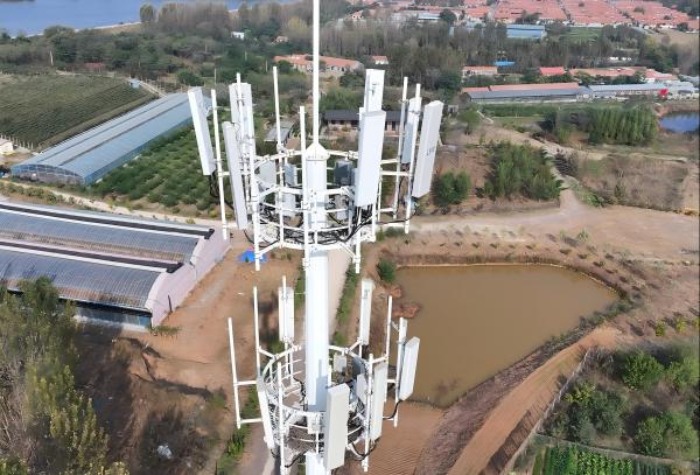
В сфере критически важной телекоммуникационной инфраструктуры настоящим испытанием конструкции является не то, как она себя покажет в день установки, а то, как она выдержит десятилетия беспощадного воздействия окружающей среды. монопольные башни Под воздействием прибрежных солевых брызг, промышленных загрязнителей и сурового климата коррозия — главный враг долговечности. Самое эффективное оружие в этой борьбе — проверенный временем металлургический процесс: горячее цинкование (HDG), выполняемое в соответствии со строгим стандартом ASTM A123. Это сочетание — не просто покрытие, а комплексная долгосрочная стратегия защиты, которая является краеугольным камнем 50-летнего срока службы с минимальными требованиями к обслуживанию.
В этом блоге мы подробно рассмотрим научные основы и стандарты, которые делают горячее цинкование бесспорным выбором для обеспечения долговечности монополюса.
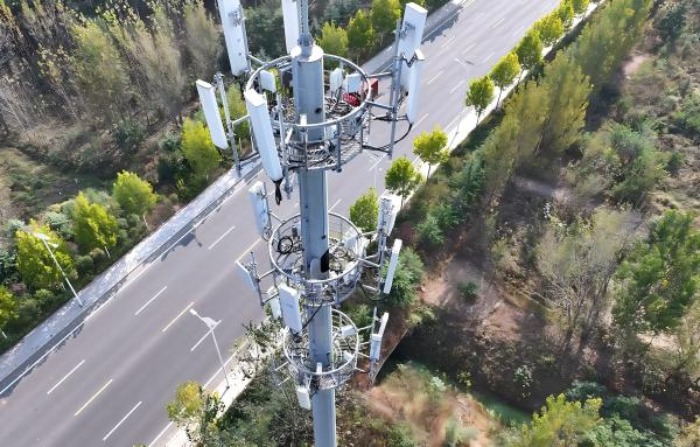
Монопольная опора представляет собой единую несущую конструкцию. В отличие от решётчатой опоры, где можно заменить один корродированный элемент, значительная коррозия монопольной опоры полностью нарушает её структурную целостность. Стоимость замены всей опоры значительно превышает первоначальные инвестиции в эффективную защиту от коррозии. Поэтому выбранная система должна быть надёжной, однородной и самодостаточной на протяжении всего жизненного цикла объекта. Горячее цинкование решает эту задачу благодаря уникальной многослойной защите.
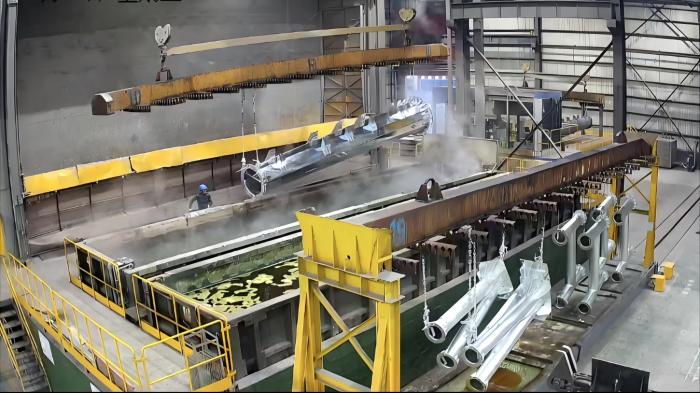
Сила горячего цинкования заключается в создании металлургической связи между сталью и цинком. Это тщательно контролируемый многоэтапный процесс:
· Подготовка поверхности (критическая основа): Сталь подвергается химической очистке путём обезжиривания, кислотного травления (для удаления окалины и ржавчины) и флюсования. Чистая поверхность необходима для надлежащей адгезии цинка.
· Гальванизация (Трансформация): Очищенная сталь погружается в ванну с расплавленным цинком при температуре около 450 °C (840 °F). На границе раздела стали образуется ряд слоёв цинково-железного сплава, покрытых слоем чистого цинка. Это создаёт покрытие, прочно сцепленное со стальной основой, которое не может отслаиваться или шелушиться, как краска.
· Инспекция и закалка: Только что оцинкованную деталь охлаждают, часто в воде, и проверяют однородность покрытия, толщину и внешний вид.
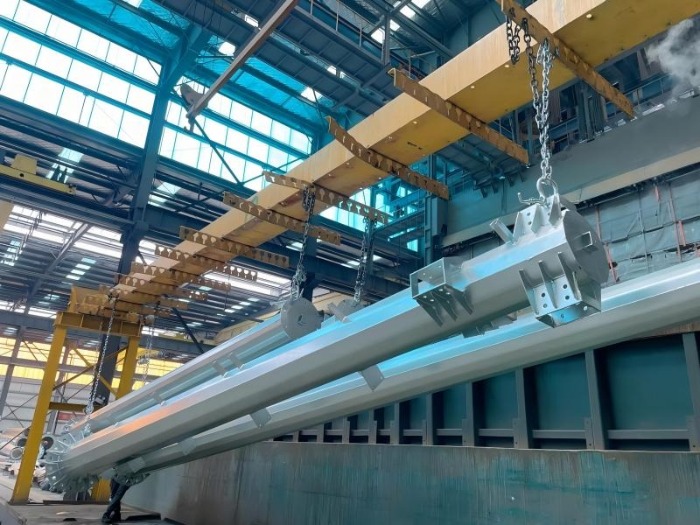
ASTM A123/A123M — это окончательный стандарт для горячего цинкования изделий из железа и стали. Для специалистов, специализирующихся на монопольном проектировании, он предоставляет важнейшие гарантии эксплуатационных характеристик:
· Минимальная толщина покрытия: Стандарт устанавливает минимальную среднюю и локальную толщину покрытия в зависимости от толщины стали. Для толстых стальных листов, используемых в монополях (часто >5 мм), это обычно соответствует минимальной средней массе покрытия 610 г/м² (примерно 85 мкм или 3,4 мила), при этом более высокая толщина характерна для суровых условий эксплуатации. Этот значительный запас цинка служит «топливом» для защиты на протяжении десятилетий.
· Адгезия и однородность: Процесс, предписанный стандартом, обеспечивает однородное покрытие без пор, покрывающее каждый дюйм стали, включая края и углы — области, которые обычно уязвимы при использовании других методов покрытия.
· Гарантия качества: Соответствие стандарту ASTM A123 является надежным и воспроизводимым эталоном качества, давая инженерам и владельцам активов уверенность в долгосрочной эффективности их инфраструктуры.
HDG обеспечивает три отдельных синергетических уровня защиты:
· Барьерная защита: Цинковое покрытие образует плотный, непроницаемый физический экран, который изолирует сталь от влаги и электролитов.
· Катодная (жертвенная) защита: Цинк электрохимически более активен, чем сталь. Если покрытие поцарапать или порезать, обнажив стальную основу, окружающий цинк бережно корродирует, защищая открытую область. Это уникальное свойство «самовосстановления» предотвращает подрезную коррозию, которая губительна для окрашенных поверхностей.
· Цинковая патина: Со временем цинковая поверхность реагирует с атмосферой, образуя прочный, липкий слой цинковых солей (патину). Эта патина ещё больше замедляет скорость расхода цинка, способствуя необычайной долговечности покрытия.
Достижение полувекового срока службы зависит от нанесения достаточного количества цинка для эксплуатации в конкретных условиях.
· Результаты первого периода: В первые годы цинк корродирует очень медленно, поскольку образуется защитная патина.
· Стационарная коррозия: После образования патины цинк расходуется с удивительно линейной и предсказуемой скоростью.
· Предсказуемый расчет: Ожидаемый срок службы оцинкованного покрытия можно рассчитать по формуле: Срок службы = (Толщина цинкового покрытия) / (Годовая скорость коррозии). В типичной атмосфере класса C3 (умеренной) покрытие толщиной 85 мкм может прослужить более 50 лет. Для суровых прибрежных условий (класс C5) использование ещё более толстого покрытия (например, 100–120 мкм) в соответствии с самыми строгими требованиями стандарта ASTM A123 напрямую соответствует целевому показателю в 50 лет.
Хотя первоначальная стоимость горячего цинкования по стандарту ASTM A123 может быть выше, чем стоимость обычной покраски, ее совокупная стоимость владения (TCO) не имеет себе равных.
· Практически не требует обслуживания: Устраняет необходимость в повторяющихся дорогостоящих циклах осмотра, подготовки поверхности и перекраски, необходимых для окрашенных конструкций.
· Предотвращает катастрофические сбои: Защищает основные структурные активы, позволяя избежать астрономических затрат на экстренную замену опор и простоя сети.
· Устойчивость: Длительный срок службы и возможность вторичной переработки как стали, так и цинка делают их экологически ответственным выбором.
Для монопольного кабеля горячее цинкование по стандарту ASTM A123 — это не просто дополнительная отделка, а неотъемлемая часть его структурной и финансовой обоснованности. Это осознанная инвестиция в предсказуемость, устойчивость и долговечность. Превращая уязвимую стальную трубу в стойкий к коррозии сторожевой элемент, этот процесс обеспечивает максимальную защиту от времени, гарантируя, что наши критически важные коммуникационные сети будут служить долго и исправно на протяжении поколений.
Узнайте больше на www.alttower.com



 Поддерживается сеть IPv6