

 English
 français
 español
 العربية
Поиск
Что Вы ищете?
Поиск
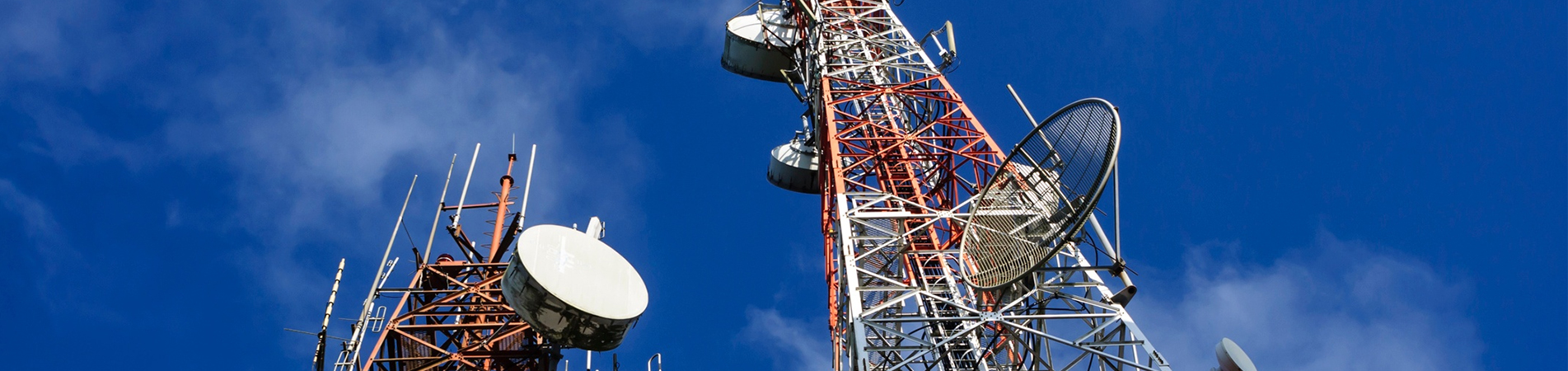
В иерархии телекоммуникационной инфраструктуры высота является определяющим фактором. Для вещателей, стремящихся охватить целые регионы FM- или телесигналами, для магистральных микроволновых линий связи, требующих прямой видимости, и для операторов сельских сетей, стремящихся охватить обширные территории с минимальным количеством базовых станций, возможность достигать экстремальных высот — это не роскошь, а фундаментальное требование. Когда целевая высота превышает 150 метров, круг жизнеспособных вариантов конструкции резко сужается. А когда она приближается к 300 метрам и более, один тип башен становится бесспорным лидером: мачта с оттяжками.
В этом блоге представлен сравнительный анализ типов сверхвысоких башен, рассматривается вопрос о причинах их существования. башни с оттяжками доминировать в городском пейзаже там, где другие не могут следовать за ними ни экономически, ни технически.
Для каждого типа высотных зданий существует свой предел высоты, определяемый законами строительной механики и экономической реальностью.
| Тип башни | Типичная максимальная высота | Основной ограничивающий фактор |
|---|---|---|
| Монополь | 60 метров (200 футов) | Экспоненциальное увеличение толщины стальной арматуры и размеров фундамента после этого момента. |
| Самонесущая решетка | 200 метров | Кубическая зависимость между высотой и количеством материала, необходимого для изготовления секций основания. |
| Мачта с оттяжками | 600+ метров | Наличие земельных участков для обеспечения необходимого радиуса закладки опоры; несущая способность конструкции сохраняется при линейном увеличении затрат. |
Единственная, сужающаяся труба моноопоры должна противостоять всем изгибающим моментам за счет собственной изгибной жесткости. Удвоение ее высоты обычно требует в восемь раз больше материала в нижних секциях и фундамента огромных размеров. Именно поэтому моноопоры редко проектируются выше 60 метров.
Самонесущие решетчатые башни демонстрируют лучшие характеристики благодаря широким основаниям и треугольным рамам, эффективно распределяющим нагрузки. Однако и они сталкиваются с суровой экономической реальностью: зависимость между высотой и расходом материалов нелинейна. Для решетчатой башни высотой 200 метров требуется более чем в два раза больше стали, чем для 100-метровой. При высоте более 200 метров конструкция становится непомерно массивной.
Башни с оттяжками полностью разрушают эту парадигму.
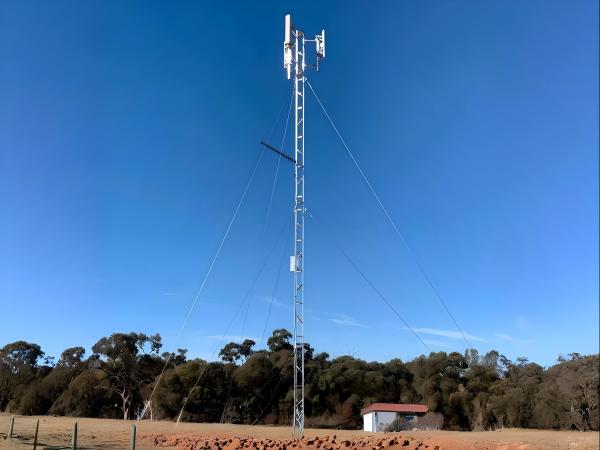
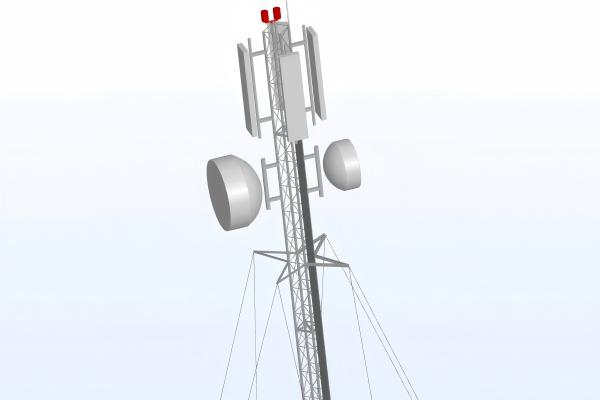
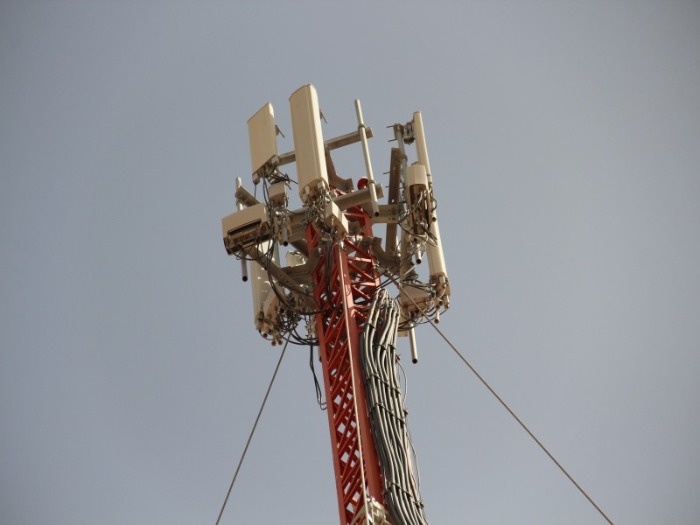
Превосходство по высоте мачты с оттяжками достигается за счет фундаментального изменения в ее конструктивных характеристиках. Вместо того чтобы противостоять ветровым нагрузкам путем изгиба — неэффективного использования стали — она преобразует эти нагрузки в натяжение оттяжек и сжатие в тонкой мачте.
Мачта Она несет преимущественно вертикальные нагрузки: собственный вес, вес оборудования и нисходящую составляющую натяжения троса. Ей необходима достаточная жесткость, чтобы противостоять изгибу между уровнями оттяжек, но ей не требуется огромная прочность на изгиб, как у самонесущей конструкции.
Оттяжки Обычно три или четыре комплекта, расположенные радиально, противостоят боковым ветровым нагрузкам. Высокопрочный стальной трос, прочность на растяжение которого значительно превосходит прочность конструкционной стали, выдерживает эти нагрузки при минимальном поперечном сечении материала.
Якоря Передача натяжения троса в грунт осуществляется с помощью гравитационных блоков или скальных анкеров, предназначенных для сопротивления исключительно отрыву, а не для сложных фундаментов, воспринимающих изгибающий момент.
Такое разделение функций — сжатие в мачте, натяжение в тросах — позволяет оптимизировать каждый компонент для выполнения его конкретной роли. В результате получается конструкция, способная достигать высоты 600 метров и более, при этом общий вес стали значительно меньше, чем у самонесущей конструкции аналогичной высоты.
Экономическое преимущество использования мачт с оттяжками на экстремальных высотах является решающим. Стоимость самонесущей башни экспоненциально возрастает с высотой; стоимость мачты с оттяжками растет гораздо ближе к линейному темпу.
Башня с оттяжками использует значительно меньше стали. Мачта сохраняет относительно равномерное поперечное сечение по всей своей высоте, а тросы добавляют минимальную массу материала. Для конструкции высотой 300 метров экономия материала по сравнению с самонесущей решетчатой башней может превышать 50%.
Именно здесь разница становится очевидной. Самонесущая башня требует единого массивного фундамента, рассчитанного на сопротивление огромным опрокидывающим моментам. Это часто означает глубокие сваи, огромные объемы бетона и сложную арматуру. Центральный фундамент башни с оттяжками воспринимает только сжатие — простую плиту или ростверк. Анкерные фундаменты, хотя и многочисленны, рассчитаны исключительно на подъем и, как правило, дешевле в пересчете на единицу сопротивления. Однако это преимущество зависит от местоположения: каменистая местность может сделать разработку нескольких анкерных точек дорогостоящей.
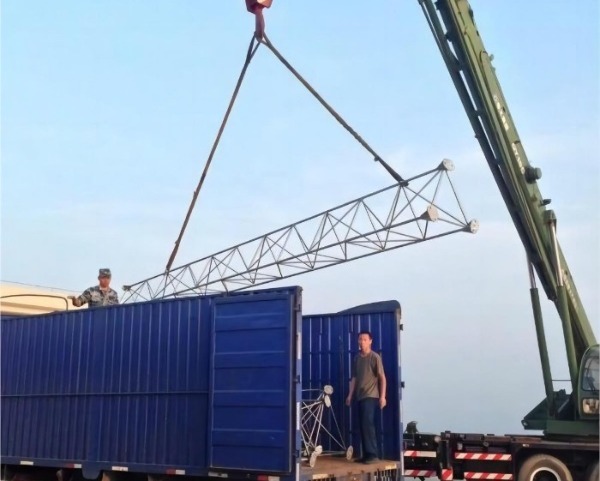
Более легкие модульные компоненты мачты с оттяжками упрощают транспортировку на удаленные объекты — распространенное требование для вещания в сельской местности. Монтаж осуществляется систематически: мачта собирается по секциям и поднимается по мере постепенного натяжения тросов. Несмотря на свою специализированность, этот процесс хорошо отработан и предсказуем.
Основной недостаток башни с оттяжками — это занимаемая ею площадь. Анкеры оттяжек отходят радиально от основания, как правило, на расстоянии 60-80% от высоты башни. Для 300-метровой башни это означает радиус анкеровки 180-240 метров, что требует значительной площади земли, свободной от препятствий и зданий.
Вот почему башни с оттяжками являются полной противоположностью городской инфраструктуре. В густонаселенных городах, где земля ценится высоко, а зонирование строго регламентировано, единственным вариантом являются монопольные или самонесущие решетчатые башни. Но в сельской местности, на вершинах гор и на открытых равнинах — именно там, где сверхвысокие башни наиболее необходимы — земля доступна, и требования к площади башни с оттяжками становятся приемлемым компромиссом ради ее высоты.
Мачта с оттяжками — это не универсальное решение; это специализированный инструмент для конкретных, сложных задач.
1. Вещание (FM, ТВ, HDTV)
Для обеспечения прямой видимости над большими населенными пунктами для передачи вещательных сигналов требуется возвышение. Мачта высотой 300-600 метров, установленная на вершине холма или на равнине, может обслуживать целый мегаполис. Башня на Сеньор-Роуд в Миссури-Сити, штат Техас, высотой 601 метр, служит основным передающим сооружением для девяти FM-радиостанций. Ни один другой тип башни не смог бы экономически целесообразно достичь такой высоты с необходимой антенной мощностью.
2. Радиочастотная ретрансляция на большие расстояния
Для работы микроволновых линий связи необходимы беспрепятственные пути между ретрансляторами. На ровной или слегка холмистой местности единственный способ обеспечить это — использовать высоту. Башни с оттяжками обеспечивают необходимую высоту, позволяющую преодолевать лесные массивы, здания и особенности рельефа, обеспечивая надежную передачу сигнала на десятки километров.
3. Охват сельских и отдаленных районов
Для обеспечения сотовой связи в малонаселенных районах одна высокая вышка может заменить несколько более низких сооружений. Экономическая эффективность мачты с оттяжками на большой высоте делает ее предпочтительным выбором для операторов связи, стремящихся минимизировать количество базовых станций и сложность магистральной сети.
4. Молниезащита и контрольно-измерительные приборы
В промышленных условиях башни с оттяжками выполняют двойную функцию, являясь молниеотводными мачтами для нефтеперерабатывающих заводов, химических предприятий и других объектов, требующих защиты больших площадей.
| Параметр | Мачта с оттяжками | Самонесущая решетка | Монополь |
|---|---|---|---|
| Максимальная практическая высота | 600+ м | ~200 м | ~60 м |
| Относительный вес стали | Низкий (базовый) | В 2-3 раза тяжелее | На такой высоте это нецелесообразно. |
| Сложность фундамента | Умеренная сложность (несколько точек крепления) | Высокая (с единым массивным основанием) | Н/Д |
| Необходимая земля | Большой (радиус крепления) | Умеренный (только базовый) | Н/Д |
| Стоимость установки | Умеренный | Высокий | Н/Д |
| Обслуживание | Высокое (натяжение кабеля, анкеры) | Умеренный (совместный осмотр) | Н/Д |
| Типичные области применения | Радиовещание, микроволновая связь на большие расстояния, покрытие в сельской местности. | Трансляция, сотовая связь на средней высоте | Городской, пригородный |
Когда требуется обеспечить связь на расстоянии более 200 метров — в диапазоне, где сигналы распространяются на сотни километров, а зона покрытия охватывает целые регионы, — инженерные и экономические дискуссии сходятся к одному выводу. Мачта с оттяжками — это не просто альтернатива; это единственный рациональный выбор.
Способность преобразовывать ветровые нагрузки в эффективные растягивающие нагрузки, линейная зависимость стоимости от высоты и проверенная эффективность при строительстве самых высоких сооружений в мире – все это свидетельствует о ее превосходстве. Башня Senior Road Tower и бесчисленные другие подобные ей являются подтверждением философии проектирования, которая использует саму землю в качестве несущей конструкции.
Для проектировщиков сетей, сталкивающихся с проблемой сверхвысоких конструкций, принцип принятия решения очевиден: если у вас есть земля и нужна высота, то мачта с оттяжками обеспечивает возможности, которым не может сравниться ни одна другая конструкция ни при каких обстоятельствах. Она была и останется чемпионом по высоте в телекоммуникационной инфраструктуре.
Узнайте больше на www.alttower.com



 Поддерживается сеть IPv6