
 English
 français
 español
 العربية
Поиск
Что Вы ищете?
Поиск
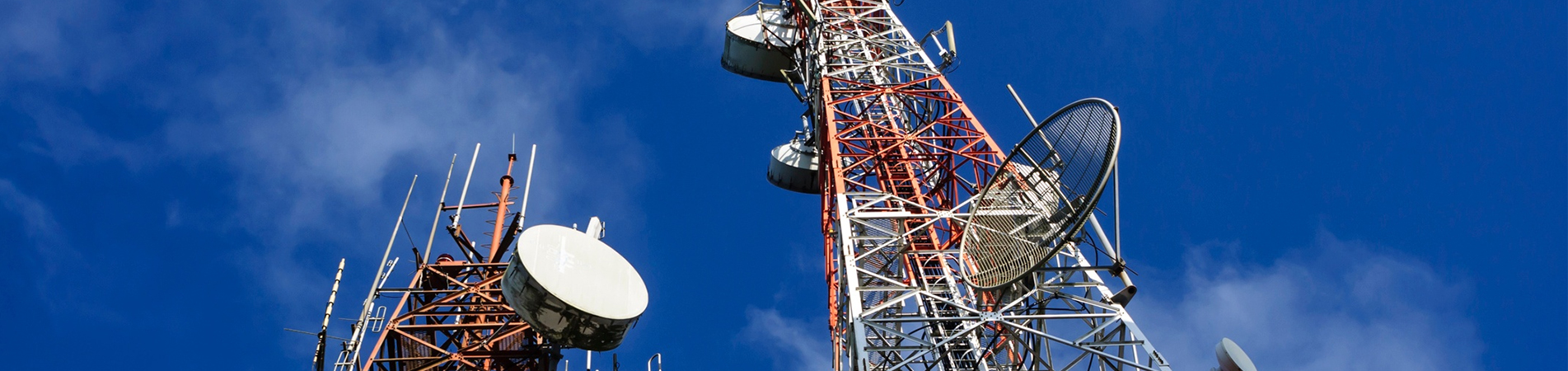
Неустанное стремление к всеобщему охвату сети приводит к тому, что инфраструктура осваивается во все более сложных условиях. Выходя за пределы контролируемой среды городов и пригородов, проектировщики сетей сталкиваются с серьезной двойной проблемой: горным рельефом и зонами с экстремально сильными ветрами. В таких условиях традиционные опорные конструкции часто выходят из строя, но... трехногая угловая стальная башня Это уникально устойчивое и надежное решение. Благодаря заложенным в его конструкции принципам, оно является оптимальным выбором для обеспечения критически важной связи там, где развертывание наиболее затруднительно, а обслуживание наиболее важно.
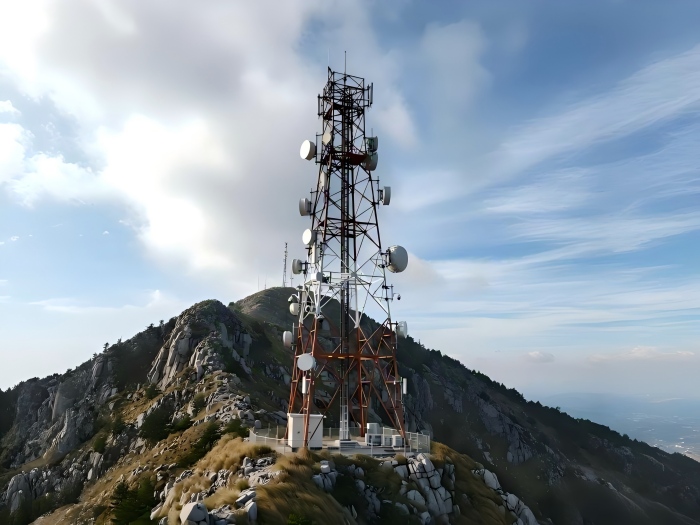
В этом блоге рассматриваются структурные и логистические преимущества трехногой башни, подробно описывается, как она преодолевает специфические препятствия, создаваемые крутыми горами и сильными ветровыми нагрузками.
Развертывание вышек в горных районах и местах с сильными ветрами представляет собой настоящий калейдоскоп инженерных и логистических ограничений:
Сложные и динамические ветровые нагрузки: Горная местность не просто испытывает сильные ветры; она их создает. Гребни, вершины и перевалы ускоряют поток ветра, создавая сильно турбулентную, многонаправленную и асимметричную нагрузку на конструкции. Внезапные порывы и изменения направления ветра — обычное явление, требующее исключительной динамической устойчивости.
Сложный рельеф и труднодоступные места: Места строительства часто находятся в отдаленных районах, добраться до которых можно только по грунтовым дорогам или с помощью вертолетных кранов. Это делает особенно важными конструкции, которые можно транспортировать в компактных, удобных для перемещения модулях и собирать с минимальным использованием тяжелой техники на неровной местности.
Фундаменты на неровной, наклонной местности: Создание ровного и устойчивого фундамента на скальных или крутых склонах — дорогостоящий и сложный процесс. Фундаментная система должна эффективно передавать значительные опрокидывающие моменты в грунт с минимальными земляными работами.
Обледенение и коррозия: На больших высотах температура воздуха понижается, что приводит к образованию льда на конструкциях и антеннах, значительно увеличивая вес и сопротивление воздуха. Воздействие суровых погодных условий также ускоряет коррозию.
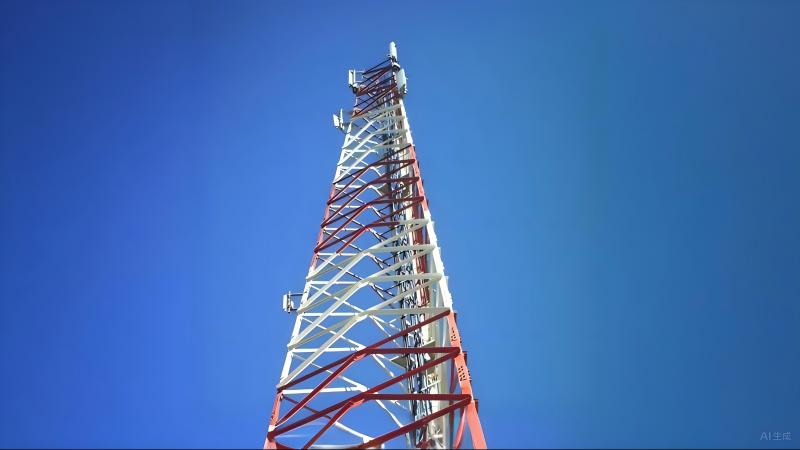
Треугольная геометрия трехногой башни является основополагающим источником ее прочности, обеспечивая явные преимущества перед четырехногими или одноопорными альтернативами в данных условиях.
1. Оптимальная устойчивость при минимальных габаритах:
Треугольник — единственный по своей природе жесткий многоугольник. Трехсторонняя конфигурация образует устойчивую пирамидальную структуру, которая естественным образом сопротивляется крутящим (скручивающим) силам, вызванным хаотичными, переменчивыми горными ветрами. По сравнению с четырехсторонней башней, она требует на одну точку опоры меньше, что является критически важным преимуществом на скалистых выступах или ограниченных вершинах, где подготовка четырех устойчивых фундаментов может быть геометрически невозможна или непомерно дорога. Треугольное основание обеспечивает превосходное сопротивление опрокидыванию на килограмм используемой стали.
2. Разработано для экстремальных ветровых и ледовых нагрузок:
Эти башни спроектированы с учетом самых основных принципов и рассчитаны на выдерживание суровых экологических нагрузок.
Расширенный анализ ветра: Проект включает в себя исследования ветровых условий конкретного участка с использованием вычислительной гидродинамики (CFD) и данных аэродинамической трубы для моделирования сложных эффектов рельефа. Структурный анализ учитывает асимметричное ветровое давление, обеспечивая устойчивость даже при косом воздействии ветра на поверхность.
Комплексные расчеты ледовой нагрузки: Конструкция соответствует международным стандартам (например, TIA-222, EN 1993-3-1), определяющим одновременную ветровую и ледовую нагрузку для регионов с суровыми холодами. Прочные опоры и распорки рассчитаны на дополнительный собственный вес радиального льда без ущерба для безопасности, а открытая решетчатая конструкция минимизирует площадь поверхности, подверженной образованию льда, по сравнению с монолитными конструкциями.
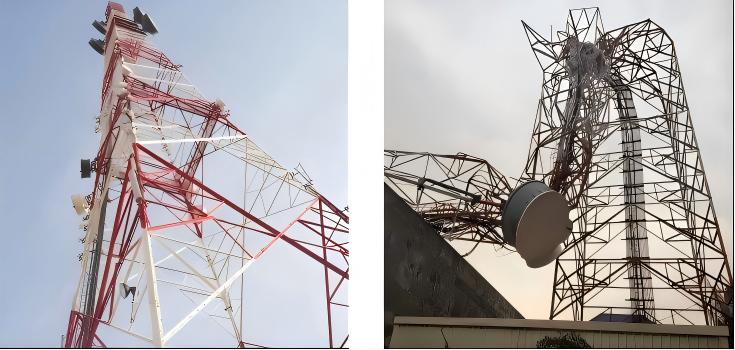
3. Материалы и изготовление для работы в суровых условиях:
Высокопрочная сталь: Использование таких марок стали, как Q345B или ASTM A572, обеспечивает более высокое соотношение прочности к весу, что позволяет создавать прочные и в то же время удобные для транспортировки конструкции.
Превосходная защита от коррозии: Обязательным условием является горячее цинкование (HDG) по стандарту ASTM A123, обеспечивающее защитное цинковое покрытие, гарантирующее срок службы более 40 лет, несмотря на дождь, снег и агрессивный горный воздух. Для прибрежных горных зон может быть выбрана дуплексная система (горячее цинкование плюс специальная краска).
Болтовые соединения на объекте: Для всех основных соединений используются высокопрочные болты. Это позволяет осуществлять точную и жесткую сборку на месте без необходимости привлечения квалифицированных сварщиков или сварочного оборудования, что является существенным логистическим преимуществом в отдаленных районах.
Философия проектирования трехногой башни распространяется и на ее размещение.
Модульные, компактные компоненты: башня изготавливается из секций, причем самая длинная опорная стойка оптимизирована для стандартной длины, используемой в грузоперевозках. Решетчатая конструкция распорок разбирается на еще более мелкие пучки. Это максимально повышает эффективность транспортировки по извилистым горным дорогам и позволяет, при необходимости, доставлять компоненты вертолетом в совершенно труднодоступные места.
Адаптируемые фундаментные системы: Трехточечный фундамент обладает уникальной адаптивностью. Предлагаемые решения включают:
Буронабивные сваи или анкерные крепления в скальных породах: Для прочного скального основания исключительную устойчивость к выталкиванию обеспечивают глубоко пробуренные сваи или анкеры, заделанные эпоксидной смолой.
Компактные ленточные фундаменты: На устойчивом грунте можно отлить три отдельных железобетонных блока, повторяющих контуры местности, что минимизирует масштабные земляные работы.
Монтаж в условиях ограниченного доступа крана: Сегментированная конструкция часто позволяет использовать для монтажа небольшой мобильный кран, что более целесообразно на горных дорогах, чем массивный кран, необходимый для моноопоры аналогичной высоты.

В стремлении устранить пробелы в покрытии, сложные горные ландшафы и зоны сильных ветров представляют собой последние рубежи. трехногая угловая стальная башня Это не просто еще один вариант для этих зон; это инженерное решение, которое соответствует самой природе возникающих проблем.
Его треугольная конструкция обеспечивает устойчивость к хаотичным ветровым нагрузкам. Трехточечный фундамент позволяет преодолевать сложный рельеф. Модульная оцинкованная конструкция выдерживает суровые условия окружающей среды и сложную логистику доставки. Для операторов связи и компаний, занимающихся строительством вышек, стремящихся создать надежную и долговечную инфраструктуру за пределами городов, трехногая вышка обеспечивает непревзойденную устойчивость, необходимую для превращения проблемы покрытия в стратегический актив. Это конструкция, которая прочно стоит там, где окружающая среда наиболее сурова, обеспечивая связь в каждом уголке карты.
Узнайте больше на www.alttower.com



 Поддерживается сеть IPv6